
Should Your Global Business Have a UAE Holding Company? The Definitive Guide

Recent Insights
Table of Contents
Thinking of Expanding into the UAE?
Book a free 30-minute consultation with our International Tax Experts.

Companies that work in many countries need a clear organizational structure. This structure is not just a legal requirement, it forms a vital part of their plans for future success. Global business is changing, and the United Arab Emirates now functions as a key location for companies organizing their operations internationally, it’s more than just important in the Middle East. This guide explains why starting a company in the UAE through a holding company makes good business sense. It looks at the benefits, specific legal details, plus how to stay compliant with current rules for doing business there.
This information helps people who invest in businesses around the world, African companies run by families, companies providing online services in Asia, factories in Central Europe, make better choices. This report explains whether forming a company in the UAE makes sense for your business worldwide. It gives you the latest information, clearly, so you can decide if this is a good step.
The UAE’s Position as a Global Business Nexus: A Compelling Proposition
A New Era for Global Business: The UAE Advantage
The UAE now stands out as a top spot worldwide for companies to operate or put their money, a fact demonstrated by a huge increase in investments from other countries. The nation received a historic 167.5 billion dirhams, which equals 45.6 billion dollars, in foreign investment during 2024. This represents a large 48.5 percent jump from the year before. The UAE now ranks among the world’s ten leading countries for foreign investment. It continues to be the most popular place for investment in the Middle East, receiving 37 percent of all investment coming into the region this year.
This great result happened because the country planned for it over a long time. The UAE built a strong economy by offering low taxes, making it easy to get business licenses, implementing modern rules like the Golden Visa, which lets people live there long-term if they own property. This modern strategy drew many wealthy people, establishing the nation’s standing as a dependable, open, long-lasting location for money from around the world.
Is a UAE Holding Company Your Next Strategic Move?
Many companies’ doing business in many countries wonder if they should create a company in the UAE to manage things. A holding company is a business created mostly to possess stock or property in other businesses. It’s different from a company that runs daily, it doesn’t usually handle regular business tasks. Instead, it focuses on overseeing things, reducing danger, and managing important resources for the long term.
We chose to create this organization to simplify how things are run, bring together resources from around the world, build a strong framework that follows the rules, make international investments easier. These sections will help you carefully look at various business setups, what rules you need to follow, also real-world factors. This will show if this plan fits what you want to achieve with your business.
The Strategic Purpose of a Holding Company
Beyond Legalities: What a Holding Company Truly Is
A holding company mainly manages property and controls other companies. This organization exists primarily to possess, manage companies or property, not to make money through buying, selling, or offering services. This important difference explains why a holding company benefits businesses operating in several areas.
A holding company arrangement keeps ownership separate from running the business. This setup establishes a straightforward chain of command, making it easier to manage, plan, oversee all associated businesses. This organization keeps money invested in things like stocks, bonds. It handles those investments well, protecting them from problems that could cause losses.
Safeguarding Assets & Optimizing Operations
A key benefit of creating a holding company is protecting a group’s possessions. It keeps those assets separate, shielding them from risks facing other parts of the business. You separate important possessions, like inventions, property, or valuable holdings, into a special company. Keeping the main business separate protects important resources. If a part of the company runs into money or law trouble, these resources stay safe.
Holding companies give worldwide investors more privacy. A holding company offers a private, streamlined way to oversee several businesses. This keeps specific information about each business more confidential, unlike direct ownership where details often become public. It still follows all legal rules, however.
Centralizing Control for Global Expansion
Companies around the world now often use UAE holding companies as main offices for business across the Middle East, North Africa, also South Asia. This method gathers earnings from different company parts, making it simpler to bring money back home with legal payments to owners. Bringing management, finances together creates smoother operations, lowers expenses, helps the business grow in a coordinated way.
Companies operating internationally, or those investing money in different countries, find a UAE holding company a great way to bring everything together. It provides a safe, smart way to handle investments, grow your money, protect your assets for the future, or plan how your business continues. It’s a really helpful resource for these things.

Thinking of Expanding into the UAE?
Book a free 15-minute consultation with our International Tax Experts.


Navigating the UAE’s Jurisdictional Landscape
Should you set up your business on the mainland, in a free zone, or overseas? Knowing What Sets Them Apart
The UAE builds its business environment to fit many different company aims. It does this with its special system of legal areas. Businesses typically organize in one of three ways: Mainland, a Free Zone, or Offshore. Each choice offers different advantages, disadvantages, specific characteristics. Your decision rests on how your business operates, how much of the market you want to reach, what your company specifically aims to do.
A business from the mainland, approved by the economic development department, provides the widest reach to customers. A Free Zone company offers a focused, cost-saving setup, yet it has limits on where you can do business. Companies established overseas, like those through the Ras Al Khaimah International Corporate Centre, work well for owning assets without active involvement, also for doing business across borders.
Mainland Company: Your Gateway to the UAE Domestic Market
A company registered in the UAE can do business throughout the country, also worldwide, with no limits on where it works. Previously, businesses needed a local partner from the UAE to own most of the company, specifically 51 percent of ownership. New laws, however, completely changed this system. Currently, in many industries, investors from other countries can fully own their businesses structured as Limited Liability Companies, located within the country. This makes it a good choice for companies wanting to work directly with local customers.
This setup works great for companies needing a real location, like stores, eateries, or businesses offering hands-on help, because they want to connect with people in their community. It offers great access, yet businesses must follow rules from the United Arab Emirates, including company law, also local rules.
Free Zone Entities: A Haven for International Businesses
The United Arab Emirates has over 40 free zones, which function as unique economic regions. They provide significant benefits to investors from other countries. A company in a Free Zone lets people from other countries own it completely. It also allows you to take all money earned, including your original investment, out of the country without limits on converting currencies. Free zones let businesses store items, sell products, or both. They generally have easier rules to follow.
Businesses in Free Zones have a main drawback. They typically cannot do business outside the zone unless they obtain extra permission. This might appear negative, yet it explains why these groups frequently receive good tax treatment, alongside helpful ownership advantages.
RAKICC: The Premier Choice for Pure Holding Structures
Ras Al Khaimah International Corporate Centre is a business location designed for companies that want to own other companies. It’s now a popular option for this purpose. A RAKICC company works well to own property, businesses in other countries, like a UK limited company or a European GmbH, without needing an actual office there or people living locally.
This business structure provides great advantages, like complete ownership by people from other countries, no taxes on company profits or sales, protection for your personal assets. Investors from other countries like this option because they don’t need an office or a visa to live in the UAE. It helps them gather investments simply, without high costs or wasted time.
A Dubai Business & Tax Advisors Guide to Choosing the Right Structure
Choosing the correct corporate structure is the single most important decision for your business’s future in the UAE. The optimal choice depends on a clear understanding of your long-term objectives, from your need for market access to your requirements for a physical presence and specific visa facilities. The following table provides a high-utility comparative overview of the three primary jurisdictions to aid your decision-making process.
| Feature | Mainland Company | Free Zone Entity | RAKICC (Offshore) |
|---|---|---|---|
| Ownership | 100% foreign ownership in most sectors | 100% foreign ownership | 100% foreign ownership |
| Business Reach | Can operate freely throughout the UAE and internationally | Restricted to the free zone, with limited mainland trade | For international business, cannot operate in the UAE |
| Corporate Tax Rate | 9% on taxable income above AED 375,000 | 0% on qualifying income, 9% on non-qualifying | 0% as a passive holding entity |
| Physical Office | Mandatory | Mandatory | Not required |
| Best For | Local market access, retail, service businesses | E-commerce, trading, professional services, IP holding | Passive asset holding, IP ownership, international investment |

Not sure whether a Free Zone or RAKICC suits your structure?
Read our next blog: Free Zone vs Mainland: What’s Best for Your Business?

Not sure whether a Free Zone or RAKICC suits your structure?
Free Zone vs Mainland: What’s Best for Your Business?
A Detailed Look at the Modern Compliance Landscape
The UAE’s Corporate Tax Regime: A New Paradigm
In 2023, the United Arab Emirates began using a national tax on company profits. This change shows the country is becoming a more standard place to do business internationally. The new rule taxes companies at a rate of 9 percent on profits exceeding AED 375,000. Income under AED 375,000 faces no tax. The UAE now follows global rules for clear taxes, making it a trustworthy place for people to invest their money for the future.
This tax law change creates key issues for companies that own other businesses. Companies everywhere pay the usual corporate tax, however, businesses meeting all free zone rules that operate only within the zone face a different situation. Businesses that meet the requirements for free zone status continue to pay no tax on the money they earn.
Unlocking Tax Efficiency: The Participation Exemption
A really good part of the UAE’s business tax rules is a “Participation Exemption.” It helps avoid paying taxes twice on money you earn from investments. This rule covers money earned from company shares owned by a UAE business, including payments to shareholders or profits from selling those shares, if those shares meet certain requirements.
A company in the UAE that owns other businesses may not have to pay tax on the money those businesses earn, provided certain requirements are fulfilled. If a company in the UAE owns a portion of a business in Europe, like ten percent, the UAE might not tax money it gets from that European business, like profits or money from selling investments. This applies if the European business already pays taxes at a rate of fifteen percent, along with meeting other requirements. This helps people who invest earn more money, it also makes managing finances across different countries easier.
| Condition | Requirement |
|---|---|
| Minimum Ownership | The UAE company must own at least 5% of the subsidiary’s shares, or have an investment of AED 4 million or more. |
| Holding Period | The shares must be held for a minimum of 12 months, or there must be an intent to hold them for that duration. |
| Subsidiary’s Tax Rate | The subsidiary must be taxed at a rate of 9% or more in its own jurisdiction, or an equivalent tax rate. |
| Asset Composition | No more than 50% of the subsidiary’s assets can be considered non-qualifying, such as passive or low-tax assets. |
| Profit Rights | The UAE company must have the right to receive at least 5% of the profits or liquidation proceeds from the subsidiary. |
Economic Substance Regulations (ESR): Dispelling Misconceptions
The United Arab Emirates created economic rules to align with global efforts for clear taxes. Recent law updates now change how investors follow the rules. Cabinet Decision 98 from 2024 states businesses no longer need to send in ESR Notifications or Reports for accounting years that finished after December 31, 2022.
This important change makes things easier for companies that own other companies, especially those located in other countries. It cuts down on a lot of paperwork. The UAE quickly adapts to what businesses require, works to make things easier for companies, yet still follows international rules. We still have older requirements to take care of, but this change creates a much easier system for doing things going forward.
A Transparent Framework: Staying Compliant with Global Standards
The United Arab Emirates is updating its rules, like introducing taxes for companies, also changing economic substance regulations. These changes show they plan to be a major, dependable place for finance worldwide. The government is working to change how people see it. It wants to move away from being known as a place to hide money, toward being seen as a trustworthy, well-run place to do business.
This change helps international investors feel safer, showing them their businesses follow solid, lawful rules. Because the UAE does not tax dividends, royalties, or interest, alongside many tax treaties with other countries, it’s a good place for companies to organize their finances.
10 Steps to Set Up a Tax-Efficient UAE Holding Company
Learn how to legally repatriate profits, open bank accounts, and protect IP.

Free Download: “10 Steps to Set Up a Tax-Efficient UAE Holding Company”
Learn how to legally repatriate profits, open bank accounts, and protect IP.

The Practicalities of Establishment and Operations
Banking in the UAE: Navigating the Holding Company Nuances
It’s become much easier to deal with banks in the UAE, however, a holding company, especially one registered with RAKICC as an offshore business, often finds it difficult to open a bank account. You need to clearly show who truly owns the company, prove where the money comes from, then explain why the company exists with a good business reason.
Big banks around the world carefully check companies before they work with them. Sometimes, they ask for a large amount of money upfront, or a special account to manage investments, before they will continue. It’s really important to have a reliable company you can depend on for advice in situations like this. It really helps to work with someone experienced, someone who knows people, to make starting your account go easily well.
Cross-Border Capital: Remittance and Investment Regulations
Companies in places like India or Pakistan, where rules about money coming from other countries are tough, often find a company set up in the UAE helps move money across borders easily. India uses a law, the Foreign Exchange Management Act, to control investments from other countries. Now, nearly all industries welcome full foreign investment without needing special approval. A company from the United Arab Emirates, structured as a holding company, makes it easier to bring together various investments into one simple organization.
In Pakistan, companies need permission from the State Bank before they receive money from overseas or accept investments from foreign sources. Banks usually approve money transfers from businesses set up in the UAE, like RAKICC or within Free Zones, provided all paperwork is complete, accurate, then submitted correctly. Businesses frequently use clear UAE ownership arrangements for deals around the world. These setups appear proper, trustworthy for global money movements.
Protecting Your Intellectual Property in the Middle East
A company’s ideas, inventions, or creations are really important possessions. Keeping them safe is critical. Keeping a company’s creative work with a UAE company offers strong legal defense in a quickly growing international marketplace. Keep in mind, trademarks you register in places like Pakistan or India don’t automatically work or have legal standing in the UAE. You must register them locally there.
A UAE company owning your ideas provides strong legal defense. It also helps you earn money from licenses with lower taxes. A company benefits when it holds its brand rights in the UAE. This simplifies agreements with others who want to use the brand, potentially lowering taxes on payments received from around the world. This smart decision connects safeguarding ideas with plans to gather resources, improve finances, then shows how useful a holding company structure is.
Market Insights & Competing for the Future
The UAE’s Investment Magnetism: A Look at the Latest Statistics
Investment from overseas in the UAE has risen a lot, it shows the world believes in the country’s potential. The UAE became a top spot for new businesses in 2024, landing second worldwide with 1,369 projects. This shows companies continue to choose the UAE for investments that will last.
The UAE continues to draw companies wanting to establish operations, grow the country’s economy, while worldwide investment in new projects decreases. The numbers show a country preparing for the future, ready to take the lead in the world’s economy for many years.
The Future of Investment: Why Tech and Real Estate are Driving Growth
The UAE does well because it invests in many different areas. Classic businesses, like selling goods to stores or directly to people, continue to do well. However, a large amount of foreign investment now goes into newer, quickly expanding industries. Software, information technology services, business services, renewable energy received the most new foreign investment in 2024.
People worldwide still invest a lot of money in property. Dubai’s expensive homes should grow in value by 8 to 12 percent in 2025. This growth beats similar markets around the world. Wealthy people choose the UAE because they like the way of life, benefit from favorable taxes, enjoy a secure environment. The UAE blends time-honored stability with current energy, creating a unique place for many types of work.
How Dubai Business and Tax Advisors Delivers Unmatched Value
The market changes quickly, so a good partner is extremely valuable. Dubai Business and Tax Advisors helps with every step of setting up your international business, offering complete support unlike many other companies that provide only basic services. We aim to help clients succeed, offering advice throughout their project, from the first idea to when everything is fully running.
Dubai Business and Tax Advisors helps businesses form UAE holding companies. We really understand the tricky details, especially dealing with banks, regulations, staying legally sound. We know what holding companies need when they investigate a possible purchase, like knowing who truly owns the business, also a good reason for the deal. We work closely with banks, we know the process inside out. This helps your business operate easily, it keeps your finances safe with minimal problems. We handle everything, not simply join in. We offer complete preparation, covering areas like following the rules, protecting ideas, where you live, everything that follows. We help you grow internationally with a clear, forward-looking, customized plan. This plan solves complex problems, keeps your business legally sound, fuels development going forward.

Conclusion: Your Partner in Strategic Corporate Structuring
If your business operates worldwide, creating a UAE holding company is a smart move. It lets you gather your resources, lower potential problems, prepare for success in rapidly developing areas. The UAE has a current, clear, supportive system for businesses. It provides a strong start for projects like this one. The UAE offers the laws, money resources, helpful location to grow your business overseas, safeguard your creations, or move funds between countries following the rules. It sets you up for success.
When you work with Dubai Business and Tax Advisors, you get a team of specialists who focus on creating a strong, lawful, effective business setup designed for your specific goals worldwide. We help you make big changes go smoothly, offering the skills to guide you every step of the way for a win.

Ready to explore UAE as your international holding base?
Let us prepare a tailored roadmap for your expansion.

FAQs
A holding company simplifies owning several businesses, controls potential problems, improves tax situations. It keeps your possessions safe by keeping them separate from your businesses, makes investing easier, lets you manage different parts of your company more effectively. A company based in the UAE offers special tax benefits, also helps businesses grow globally.
To begin a company that owns other companies in the UAE, you initially select the best form. This could be operating outside the country, within a special economic area, or directly in the UAE. Sign up with the correct agency, get your papers ready like who owns the company, your overall strategy, then receive permission. Team up with a reliable expert to follow the rules in the UAE, like signing up for company taxes, submitting required paperwork. Dubai Business, Tax Advisors help you manage everything easily.
A holding company owns shares or assets in other companies but does not engage in day-to-day operations. It controls its subsidiaries, which are the companies it owns. Subsidiaries conduct business activities, and the holding company consolidates ownership and manages the group’s operations strategically. This structure offers better control, risk management, and potential tax benefits.
When you set up a parent company, figure out how much say you want to have, also what kinds of businesses you want it to include. A company in the UAE needs strong rules for how it operates, with clearly defined responsibilities for owners, managers. Usually, a parent company operates as the main business, with smaller companies working under it in different places or fields. This creates one place to manage things, it makes choices quicker. Confirm your setup follows rules in your area, also worldwide tax policies.
A company owned by the UAE may not pay taxes on several kinds of earnings, like money from investments, profits from selling assets. Dividends, royalties, or interest payments do not face taxes taken out before you receive them. This setup works well when money moves between countries. The United Arab Emirates has many tax agreements that can lower taxes on money you earn worldwide. UAE companies benefit from zero tax on personal income, offering a smart tax strategy for business people worldwide.
Ready to explore UAE as your international holding base?
Let us prepare a tailored roadmap for your expansion.

Latest news & articles
About the Author:
AURANGZAIB CHAWLA
As CEO of DBTA, Aurangzaib Chawla advises globally mobile businesses and individuals on cross-border tax planning and structuring. With expertise spanning the UK, UAE, and wider GCC, Zaib helps clients minimise double taxation, protect assets, and achieve long-term financial efficiency while staying fully compliant.
Planning to launch in Dubai or the UAE?
Let’s talk about how to structure your business for growth the smart, compliant, and tax-efficient way

About the Author:
AURANGZAIB CHAWLA
As CEO of DBTA, Aurangzaib Chawla advises globally mobile businesses and individuals on cross-border tax planning and structuring. With expertise spanning the UK, UAE, and wider GCC, Zaib helps clients minimise double taxation, protect assets, and achieve long-term financial efficiency while staying fully compliant.
Planning to launch in Dubai or the UAE?
Let’s talk about how to structure your business for growth the smart, compliant, and tax-efficient way
About the Author:
AURANGZAIB CHAWLA
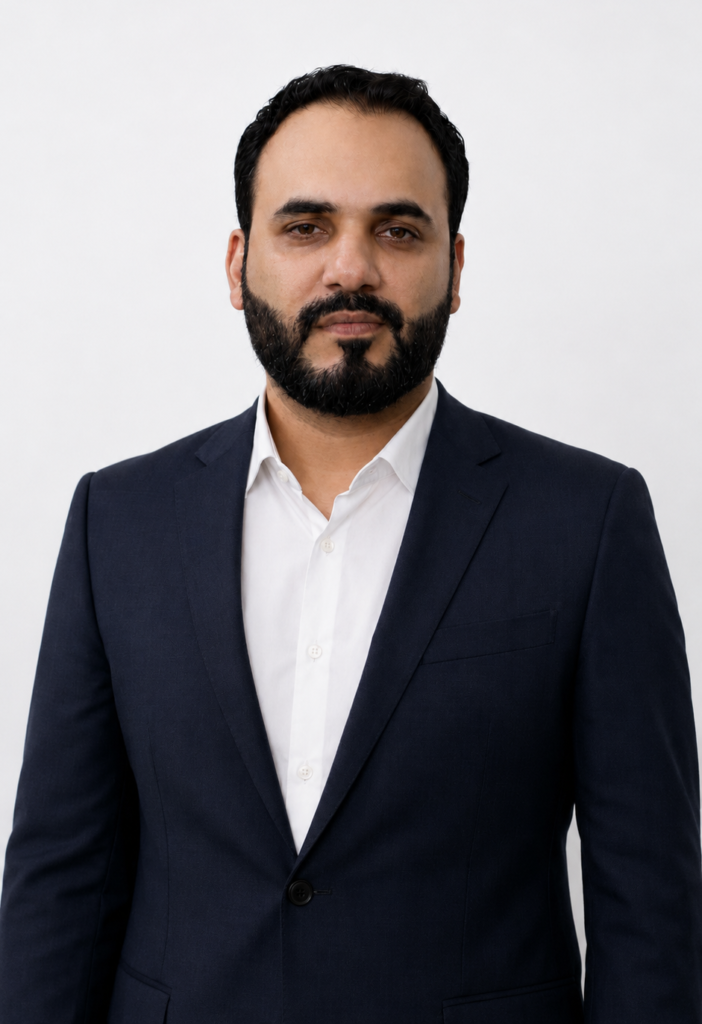
As CEO of DBTA, Aurangzaib Chawla advises globally mobile businesses
and individuals on cross-border tax planning and structuring. With expertise spanning the UK, UAE, and wider GCC, Zaib helps clients minimise double taxation, protect assets, and achieve long-term financial efficiency while staying fully compliant.
Planning to launch in Dubai or the UAE?
Let’s talk about how to structure your business for growth the smart, compliant, and tax-efficient way.
Connect with Reliable Dubai Business Consultants
Get in Touch
Free Download: “10 Steps to Set Up a Tax-Efficient UAE Holding Company”
Get in Touch