

Introduction
Managing invoices can drain your business fast. Many growing firms waste too many hours on manual data entry. They chase paper receipts. They handle constant vendor questions. This bogs down finance teams. It hurts cash flow.
You can solve this problem quite easily. You can use accounts payable outsourcing services to clean up your back office. This choice lets your internal team focus on real growth. It keeps your books clean. It ensures you pay your bills on time.
This guide shows you how third-party billing teams work. We will look at the exact steps to move your systems. We will also see how this choice protects your cash.
What Are Accounts Payable Outsourcing Services?
Every business must pay its bills. The process seems simple at first glance. You buy goods or services. The vendor sends an invoice. Your team checks the bill. Then you send the cash.
Growth changes this simple dynamic. A high volume of monthly bills creates chaos. Papers get lost. Errors creep into your ledger.
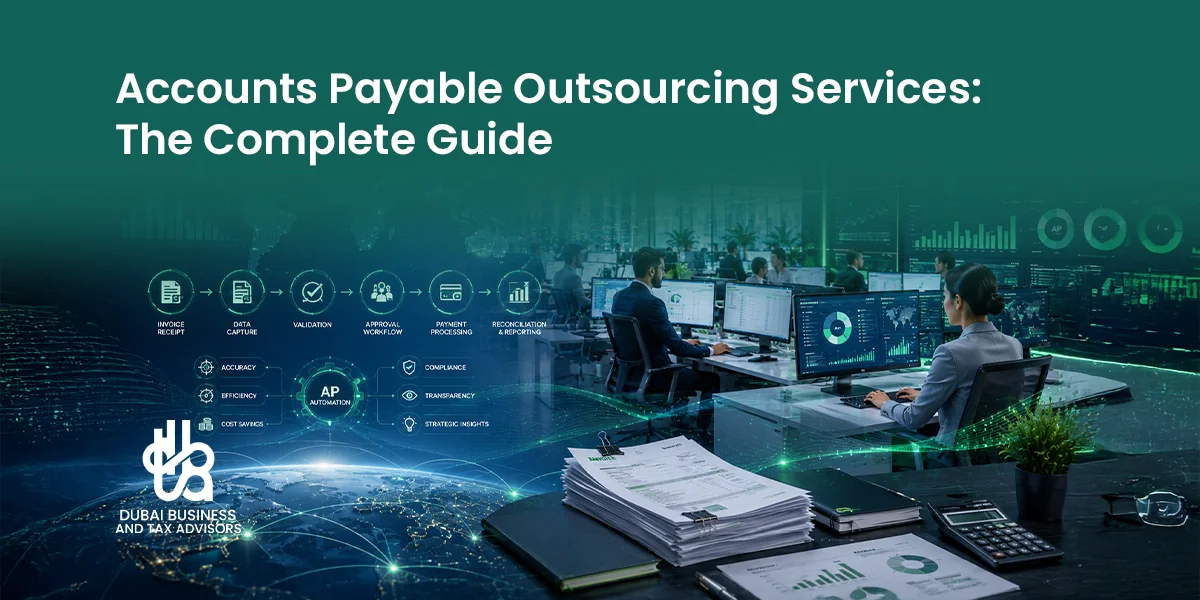
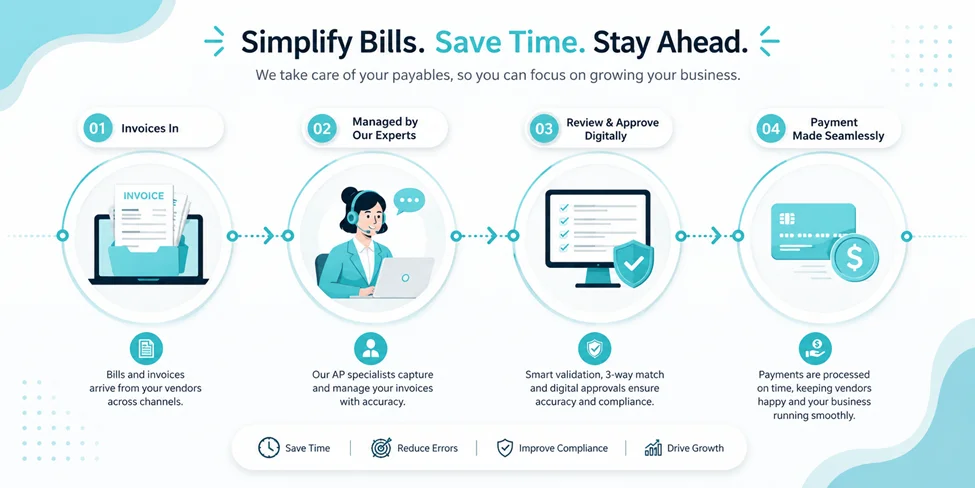
These third-party providers act as your remote finance hub. They take over the daily tasks of your billing cycle. They use smart software to track what you owe. They handle the heavy lifting for you.
[Vendor Invoices] —> [Outsourced AP Provider] —> [Digital Validation & Approval] —> [Final Payment]
Core Tasks Handled by External Teams
External teams manage the full cycle of your bills. They start with data capture. They open your mail. They scan physical documents into a digital system. They pull text from digital files using smart tech.
Next comes invoice matching. The team compares the bill to your purchase order. They check the receipt of goods too. This is a three-way match. It stops fraud before it happens.
The team also manages your approvals. They route the bills to the right managers. They send friendly alerts to keep things moving.
Finally, they handle the actual payment execution. They set up wire transfers. They run ACH batches. They print paper checks if you still need them. You just log in and click approve.
The Role of Modern Tech Platforms
Top service providers do not just use manual labor. They bring advanced tools to your workflow. They use cloud platforms to store your files. These tools let you see your financial status from anywhere.
These platforms integrate directly with your accounting software. They sync with QuickBooks, Xero, or NetSuite. Data flows back and forth without manual entry. Just like professional bookkeeping services that use Xero and QuickBooks for real-time financial insights, modern AP outsourcing platforms deliver seamless integration with your existing financial infrastructure.
This tech catches duplicate bills instantly. It flags unusual price spikes. It gives your leadership team clear visibility into spending trends.
Common Back-Office Problems You Can Avoid
Manual accounting work creates a lot of friction. People make mistakes when they copy numbers from paper to screens. These small slipups cost big money over time.
Slow processing speeds also hurt vendor relationships. Suppliers get angry when payments arrive late. They might stop shipping goods to your warehouse. They might cut off your service lines.
Outsourcing helps you bypass these headaches. It replaces weak manual steps with tight digital workflows.
Eliminating Late Payment Fees
Late fees hurt your bottom line. They accumulate quietly over months. Most firms miss deadlines because bills sit on a manager’s desk. The invoice gets buried under other tasks.
External vendors use strict tracking rules. They log every document the day it arrives. They set up clear digital tracks for approval.
The system triggers alerts as deadlines approach. This speed lets you capture early payment discounts. Many vendors give a two percent discount if you pay within ten days. This adds up to major savings.
Reducing Internal Labor Pressures
Hiring local accounting staff is tough. It costs a lot of money. You must pay base wages. You must provide health benefits. You need office space for them.
Your needs change throughout the year, too. You might have a busy season with triple the normal bill volume. A small internal team will get overwhelmed.
Third-party service firms scale up or down instantly. They have deep teams ready to handle your seasonal peaks. You do not need to hire extra temporary help. You pay for what you use.
Financial Benefits of Shifting Your Workflow
Moving your processing tasks saves a lot of capital. It changes fixed overhead costs into variable costs. You stop paying for idle staff time. You only pay for the volume of invoices processed.
This shift frees up working capital. You gain a clearer view of your bank accounts. You can deploy cash to growth areas instead of administrative maintenance.
Lower Processing Costs per Invoice
Processing a single invoice in-house is surprisingly expensive. You must factor in staff time. You must add the cost of software licenses. Do not forget paper, ink, and postage.
Outsourced teams process millions of documents. They achieve huge economies of scale.
They cut the cost per invoice drastically. This saves thousands of dollars each month. You can reallocate those funds directly to marketing or product development.
[In-House AP Cost: High] ============> (Staff + Software + Rent)
[Outsourced AP Cost: Low] =====> (Pay-per-Invoice Scaled Pricing)
Better Audits and Compliance Controls
Tax season often causes massive stress. Auditors want to see clean trails for every single transaction. They look for matching purchase orders. They check for written approvals.
Missing papers leads to long delays. They can trigger tax fines.
Outsourced agencies maintain pristine records. Every bill has a clear digital history. You can see who approved the payment. You can see the exact date of the money left in your bank.
Auditors can log into a secure portal to see everything. They find what they need in a few minutes. Your legal risk drops to near zero. This level of comprehensive tax compliance and record-keeping accuracy that keeps your business audit-ready and fully aligned with regulatory requirements ensures you’re always audit-ready and HMRC-compliant.
Choosing the Right Service Provider for Your Business
Not all service providers operate the same way. Some specialize in small local businesses. Others handle massive global enterprises. You must find a partner that matches your specific operational scale.
Look closely at their technology stack. Ensure their systems talk to your current ledger tools. A poor software match creates more work, not less.
Review Security Protocols
Financial data requires top-tier security. Hackers love to target corporate accounts payable departments. They send fake emails to reroute payments to rogue banks.
Your chosen provider must use enterprise-grade security. Ask about their data encryption methods. Ensure they restrict system access based on specific job roles.
They should hold verified compliance certifications. These badges prove they follow strict safety guidelines. Never compromise on data safety.
Assess Communication Channels
Distance can sometimes create a feeling of disconnection. You need to know how to reach your remote team when a crisis hits. A vendor might cut off your account due to a misunderstanding. You must resolve these issues fast.
Choose a firm that gives you a dedicated account manager. This person knows your business rules. They answer your calls directly.
Avoid agencies that force you through generic help tickets. Quick access to human support prevents major operational delays.
How to Set Up Your Outsourced Workflow
Transitioning your bill processing requires clear steps. You cannot simply flip a switch overnight. A rushed launch creates confusion for your suppliers. It leads to missed payments.
Plan for a steady transition period. This path gives your team time to adjust to the new setup.
Step 1: Document Current Workflows
Step 2: Route Invoices to New Hub
Step 3: Train Approval Managers
Step 4: Run a Parallel Test
Document Your Current Rules
Start by mapping your current approval paths. Write down who approves spending for each department. Define your specific spending limits.
For example, a department head might approve bills under five thousand dollars. A vice president must sign off on anything higher.
Share these rules with your new provider. They will program these limits into their software engine. This step prevents unapproved spending.
Notify Your Suppliers
Give your vendors early notice about the shift. Provide them with a new dedicated email address for invoices. Tell them to stop mailing paper bills to your physical office.
Explain the benefits to them. Tell them that this new system ensures faster payments. Most suppliers will gladly change their habits for quicker cash.
Track compliance during the first month. Call vendors who still send mail to your old office address. Remind them to use the digital portal.
Overcoming Internal Hurdles During Transition
Some team members might resist this change. Employees often worry about job security when a company introduces automation. They might think you are replacing them entirely.
Address these fears openly right from the start. Explain that you want to free them from boring manual data entry.
Redirecting Staff to High-Value Work
Data entry is not a great strategic use of human talent. Your finance team should focus on forward-looking tasks. They should analyze profit margins. They should negotiate better terms with key suppliers. They should optimize your tax positions.
Show your team how this change helps their career growth. Give them projects that require deep analytical thinking. When you move your team from manual bookkeeping to strategic financial analysis, you empower managers with actionable insights through outsourced CFO-level financial leadership that drive better business decisions.
Employees usually embrace the shift once they get away from tedious data sorting. They appreciate having more interesting work to do.
Maintaining Management Oversight
Outsourcing does not mean losing control of your money. You never give away your checkbook. The third-party team merely prepares the ledger entries for you.
Your management team retains final payment authority. No money moves without an explicit digital signature from your company.
You can check your payment queues from your phone. You keep full command while shedding the administrative baggage.
Strategic Growth and Systems Integration
When you remove manual workflows, your operational speed increases. Business leadership can shift its focus away from administrative maintenance. You can look at broad corporate growth metrics instead.
Aligning Operations with Capital Strategy
Your back office must reflect your overall corporate goals. If you plan to expand your geographic footprint, your billing systems must match that scale. Manual setups limit your velocity.
Outsourcing creates a variable cost structure that expands as your sales expand. You gain predictability in your operational spending lines. This predictability helps you pitch new projects to your board of directors. For businesses planning expansion, strategic cash flow forecasting and budget planning that supports operational stability while scaling becomes essential to maintain operational stability while scaling.
Enhancing Ledger Cleanliness
Clean books provide a competitive edge in modern commerce. Clean data allows you to spot cash leaks early. It shows you which vendor contracts cost the most money over time.
By standardizing your incoming document pipelines, you create a baseline of pure data. This data drives better decision-making across all operational hubs.
Maximizing Provider ROI Through Best Practices
To get the most value from your outsourced partner, you must implement strong internal habits. Simply handing over files will not guarantee success. You need active coordination between your core team and the external vendor.
Establishing Weekly Review Meetings
Set up a regular, brief sync with your account manager. Review pending approvals that have been installed in your pipeline. Identify any vendors who consistently send incorrect files.
These quick touchpoints prevent small backlogs from turning into major logjams. They keep both teams aligned with performance goals.
Auditing System Performance Annually
Run a deep analysis of your billing pipeline once a year. Check your processing times. Look for any lingering bottlenecks in your approval paths.
Verify that your provider still hits their promised service levels. Use this review to optimize your software rules for the coming fiscal cycle.
Deepening Your Back Office Strategy
Long-term corporate health requires deep focus. Many business owners do not look past the current month. They focus only on daily fires. This reactive habit stalls long-term growth.
Outsourcing helps you break this cycle. It forces a systematic approach to your records. It builds a strong foundation for future company expansion.
Building Clear Standard Procedures
Every business has unique quirks. You might pay certain vendors on special terms. You might require multiple checks for specific items.
You outsource partner documents for these quirks. They create a standard operating manual for your business.
This manual protects your company if a key employee leaves. A new person can step in and understand your billing rules immediately. Your history stays safe within the system.
Streamlining Your End of Month Close
Closing the books each month causes major stress for internal accounting teams. They must gather loose bills. They must track down missing managers. They must match statements manually.
Outsourced systems keep data clean every day. The end of the month is just another day.
Your team can close the monthly ledger in hours instead of weeks. This speed gives your leadership fresh data to guide the business forward. With real-time accounting support and monthly management accounts that give you constant visibility into your company’s financial position, you maintain constant visibility in your company’s financial position without waiting for quarter-end summaries.
Managing Global Vendor Realities
Modern trade connects you with suppliers all over the earth. You might buy parts from Asia. You might use software tools built in Europe. This global footprint introduces complex payment paths.
Handling international bills manually is very slow. It exposes you to bad exchange rates. It leads to wire transfer errors.
Navigating Multiple Currency Pools
Paying international vendors requires deep banking knowledge. Currency values shift every hour. If you pay at the wrong time, you will lose cash.
Outsourced platforms handle multiple currencies seamlessly. They book transfers at competitive wholesale rates.
They ensure your vendor receives the exact amount they ask for in their local currency. This builds immense trust with your global supply partners. For companies managing cross-border compliance and international payment structures that require deep knowledge of multi-currency transactions, specialized guidance ensures you navigate complex multi-currency transactions efficiently.
Tracking Cross-Border Tax Rules
Governments watch international payments closely. You must often collect specific tax forms before sending money overseas. Missing these forms can lead to heavy government fines.
Outsourced teams know these rules well. They flag international invoices automatically.
They check for the right tax compliance papers before processing the payment. This keeps your business safe from unexpected global legal troubles. Corporate Setup and Asset Optimization
Corporate Setup and Asset Optimization
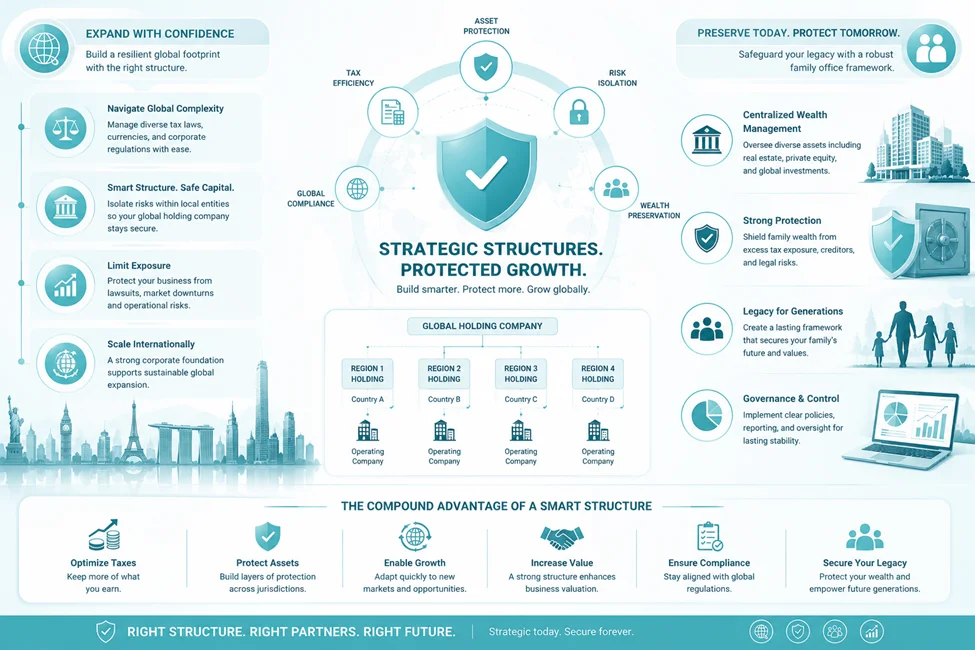
Managing complex commercial frameworks requires specialized guidance. As corporate structures grow, simple billing solutions must integrate with sophisticated asset protection.
Structuring for International Growth
Expanding a business across borders adds layers of operational difficulty. You face different tax laws. You deal with multiple currencies. You encounter unique corporate rules in every region.
A smart asset structure keeps your capital safe. It isolates risk in specific corporate branches. This setup prevents a single lawsuit or market loss from hurting your global holding company. When planning your international expansion and corporate structure optimization, expert guidance on tax-efficient business structures ensures your wealth remains protected across jurisdictions.
Enhancing Family Office Protection
Wealthy founders often transition corporate wealth into private family offices. These offices need the same tight controls as a major enterprise. They manage real estate, private stock, and global investments.
Using clear corporate frameworks protects this family capital from excess tax liability. It secures your legacy for future generations.
Optimize Your Corporate Framework with DBTA
Managing complex wealth and cross-border corporate systems requires elite professional guidance. DBTA provides consulting services tailored for high-net-worth individuals and expanding corporate groups. We help you build resilient business frameworks that protect your capital.
Our expert team designs robust corporate structures to optimize your global assets. We navigate complex cross-border compliance rules so you can operate with total peace of mind. We protect your family office capital through proactive tax optimization and careful governance planning.
Do not let administrative complexity slow down your wealth preservation goals. Connect with Dubai Business & Tax Advisors today to establish a secure, efficient financial framework for your global footprint.
Conclusion
Modern business demands extreme efficiency. You cannot afford to waste precious staff hours on manual invoice tracking. Using third-party billing experts removes this operational bottleneck. It cuts costs, reduces errors, and strengthens your vendor relationships.
True financial resilience requires a multi-layered approach. It pairs everyday back-office efficiency with high-level corporate structure. This unified strategy keeps your business nimble. It protects your hard-earned assets from unexpected global market shifts.
Take a close look at your current corporate administration. Identify the slow spots that drain your time. By modernizing these systems today, you secure your market position for the years ahead.
Whether you need help with specialized VAT compliance and indirect tax management for your growing company or comprehensive strategic financial advisory through corporate finance services that empower better business decisions, the right professional partnership transforms administrative burden into competitive advantage.
Frequently Asked Questions
They use strict three-way matching to verify every document. The team compares the invoice against your purchase order and your delivery receipt to ensure you only pay for verified goods.
No. You maintain full ownership of your accounts. The external team merely processes the data and prepares the ledger entries. Your managers must give explicit digital signatures before any cash leaves the bank.
Yes. Top providers integrate directly with mainstream accounting software platforms like QuickBooks, Xero, and NetSuite. This linkage keeps your main financial ledger updated in real time without any duplicate manual entry.
A standard transition typically takes between two and four weeks. This period includes documenting your spending rules, routing vendor invoices to the new hub, and testing the digital approval paths.
The provider gives you a dedicated hub address. They receive your physical paper mail, scan the documents into digital files, and run them through the same automated workflow as your digital invoices.