
How to Form a Mainland LLC Company in Dubai

Recent Insights
Table of Contents
Dubai’s economy and location make it a smart place to start a business. This is true whether you want local customers or a wider Gulf audience. A mainland company lets you reach customers across the whole UAE. You won’t face many of the limits that free zone businesses deal with.
This guide walks you through what a Dubai mainland LLC Company Setup is. It also covers what the Department of Economic Development (DED) expects from you. And it shows you how to set one up, step by step.
Maybe this is your first company here. Or maybe you’re comparing mainland against a free zone. Either way, this guide gives you the real, practical details you need.
Mainland or Free Zone? Here’s the Difference
A mainland company can trade directly across the UAE. It can also bid for government contracts. Free zone companies usually can’t do this. They need a local distributor first.
Free zones offer some nice perks. You get full foreign ownership and tax breaks. But a mainland setup gives you much wider reach. In exchange, you get different licensing rules. For some activities, you’ll also need to appoint a local partner.
A mainland LLC Company gives you a lot of choice. You can pick from a wide range of business activities. You can apply for government contracts. And you can trade anywhere in the UAE. Ownership rules have also become more flexible in recent years. This makes mainland setup more attractive than it used to be.
What a Mainland LLC Actually Is
A mainland LLC is a company registered through the Dubai DED. Other emirates have their own matching department, like Abu Dhabi’s. Once you’re registered, your company can operate anywhere in the UAE. There are no geographic limits.
This is different from a free zone licence. That type of licence only lets you operate inside that specific zone. The only way around this is bringing in a local agent for onshore sales.
Jurisdiction, Ownership, and What You Can Actually Do
The biggest difference between mainland and free zone setups comes down to who regulates you. Mainland companies need approval from the DED. Sometimes they need approval from other bodies too.
Take a food business, for example. It needs sign-off from Dubai Municipality. A healthcare business needs approval from the Dubai Health Authority. Free zone companies work differently. They get their licence from the zone itself, such as JAFZA, DMCC, or DAFZA.
Ownership rules have shifted a lot recently. Federal Decree Law No. 32 of 2021 now allows 100% foreign ownership for many mainland business activities. Free zones have offered this from the start. The trade-off is still there, though. Free zones limit you to operating inside the zone. You’d need a local distributor for mainland sales.
The list of allowed activities also differs between the two. Mainland licences cover a broad range published by the DED. Free zones tend to focus more narrowly on export or sector-specific work.
Office rules differ too. Mainland companies need a real office, registered through Ejari. Free zones often allow something simpler, like shared desks or flexi-desks instead.

Visas, Office Space, and Market Reach
How many visas you get with a mainland LLC depends on your office size. Specifically, it depends on the size registered through Ejari. A bigger office generally means more visas. This matters a lot if you’re planning to build a team.
Free zone visa numbers work differently. They depend on your chosen package, and they’re limited to that zone.
Choosing an office for a mainland setup means negotiating a lease. Popular areas include Business Bay or Deira. You’ll then need to register that lease through Ejari before your licence can be issued. Free zones may be cheaper to start with. But they keep your operations inside the zone’s boundaries.
A mainland LLC lets you sell directly to customers, retailers, and government bodies. This works across every emirate. Free zone companies need a distribution partner to reach those same customers.
If rapid local growth or government contracts are part of your plan, mainland is usually the right starting point. If you’re export-focused, starting in a free zone and moving to the mainland later can work well too.
Legal Requirements for a Mainland LLC Company Setup
Ownership Rules
Recent reforms have opened up mainland ownership quite a bit. Many business activities now allow 100% foreign ownership. This comes from changes under Federal Decree Law No. 32 of 2021, plus later ministerial decisions.
It’s worth checking the DED’s approved activity list. This confirms whether your chosen business line qualifies. Some strategic sectors still need a UAE-based service agent. Checking this early helps you avoid surprises later.
Shareholders and Managers
A mainland LLC Company Setup needs at least two shareholders. You can have up to fifty. Each shareholder needs to provide valid ID and documentation.
You’ll also need at least one manager. This person handles daily operations. Even when full foreign ownership is allowed, some fields are still regulated closely. Healthcare, education, and certain financial services may still need a local representative, or extra approvals. It’s worth checking the activity directory to see if this applies to your business.
Picking the Right Business Activity
Choosing your activity correctly matters a lot. The DED keeps a list of allowed business lines. This covers trading, consultancy, light industry, and professional services.
Some activities need extra sign-off, though. Food businesses need approval from Dubai Municipality’s Food Safety Department. Medical consultants need clearance from the Dubai Health Authority. Sorting this out early helps you avoid delays down the line.
Reserving Your Trade Name
Your company name must follow a few rules. It can’t copy an existing trademark. It can’t use restricted or sensitive words. And it can’t include anything offensive.
Some names need extra approval. This includes anything that suggests banking, insurance, or other regulated industries. It helps to have a few backup names ready. Checking them against existing trademarks makes rejection far less likely.
The Memorandum of Association
The Memorandum of Association, or MoA, is the legal foundation of your LLC. It sets out your business goals. It also covers how shares are split, capital commitments, and who manages the company. All of this must match your approved activity.
Every shareholder signs the MoA. If they can’t sign themselves, someone acting for them can. This signing happens in front of a UAE notary. It’s worth tailoring each clause carefully to your actual activities, rather than using a generic template.
Office Space and Ejari
You’ll need a tenancy agreement registered through Ejari before you can get your mainland licence. The space must suit your business. A consultancy might need an office. A light manufacturing business might need a unit instead.
Virtual offices are sometimes allowed. But this only works with explicit approval from the economic department. Your Ejari registration also helps determine how many visas you’re entitled to. So, it’s worth planning your office budget early.
Staying Compliant Under UAE Law
Once your licence is issued, you’ll need to keep up with a few ongoing duties. These include renewing your licence on time. They also include preparing audited financial statements, where required.
You’ll need to register for VAT once you hit the turnover threshold. And you’ll need to follow employment and immigration rules. Any change to your shareholders, management, or business activity needs reporting to the economic department promptly.
How to Set Up a Mainland LLC Company, Step by Step
Step 1: Choose Your Activity and Check Approvals
Start by picking the exact business activity you plan to run. Check the DED’s activity directory. This confirms your activity is on the approved list.
For sectors like food, healthcare, education, or financial advice, find out early if you’ll need sign-off from other regulators too.
Step 2: Reserve Your Trade Name
Pick a trade name that follows the rules above. Have a few backups ready, just in case. Submit your reservation to the economic department.
If everything checks out, approval usually comes within a day. Once your name is reserved, you can apply for initial approval of your setup. This confirms your ownership structure, activity, and name all line up.
Step 3: Prepare Your Legal Documents
With initial approval sorted, draft your MoA. It needs to match your approved activity, shareholding, and management structure. Make sure shareholder details match their ID documents exactly.
If needed, prepare shareholder agreements too. These cover decisions and profit sharing. All documents get signed in front of a UAE notary.
Step 4: Lease an Office and Register with Ejari
Find a space that suits your activity. Then register the lease through Ejari. Want to use a virtual office instead? Check with the economic department first, since not every activity qualifies. This step also affects your visa quota later. So, it’s worth getting the office size right from the start.
Step 5: Submit Your Application and Pay Fees
Pull together your approved trade name, notarised MoA, Ejari lease, and any other approvals. Bundle these into one application. Submit it to the DED, along with ID documents for shareholders and managers. Then pay the licence fee.
How long this takes depends on your activity. But a well-prepared application usually moves through without much back-and-forth.
Step 6: Get Your Licence
Once your application is approved and fees are paid, you’ll receive your trade licence. Check every detail carefully. This includes your company name, shareholder information, and listed activities. Keep certified copies for your records.
Step 7: Visas, Bank Account, and PRO Work
With your licence in hand, you can apply for residence visas. This covers shareholders and staff, based on the visa quota tied to your office size. You’ll also need medical tests and Emirates ID registration.
At the same time, open a corporate bank account. You’ll need your licence, MoA, and ID documents for this. Many businesses use PRO services too. These handle document stamping and coordination with immigration and labour authorities.
Step 8: Budget for the Full Setup Cost
Throughout the process, keep track of your spending. This includes licence fees, Ejari-related rent, and notary fees. It also includes any external approvals, visa costs, and PRO service charges.
It pays to budget ahead for annual renewals too, along with ongoing compliance. That way, nothing catches you off guard later.
Should You Use a Setup Consultant?
Working with a consultancy can make the whole process much easier. A good consultant handles your documents, Ejari lease, and MoA drafting. They also stay current on ownership rules and setup costs.
They help coordinate approvals for regulated activities too. This can save you real time.
When choosing a provider, look for clear credentials. Solid experience with mainland setups like yours matters a lot. A trustworthy provider will walk you through trade name reservation, licence steps, and what compliance looks like after setup. Pricing should be transparent throughout.
Doing it yourself can work too. This is true if you already know the UAE system well and have time to spare. It saves on consultancy fees. But it takes more effort to get right.
For first-time founders, or more complex activities, a consultant usually speeds things up considerably. It really comes down to balancing control against speed, and how tight your timeline is.

Getting Help with Your Setup
Starting a business in Dubai involves more forms, approvals, and small steps than most people expect going in. That’s why many founders bring in a firm like Dubai Business and Tax Advisors (DBTA) to manage the process alongside them.
This kind of support usually covers your licence application, office arrangements, and approval coordination. That way, nothing important gets missed along the way.
Good advisors also stay involved after your company is set up. They help with visas, taxes, and renewals as they come up. So, you’re not left figuring out compliance on your own each year.
Frequently Asked Questions
It’s a limited liability company registered with the DED, or the matching authority in another emirate. It can trade anywhere in the UAE. It can take on local contracts and bid for government tenders too. Many activities now allow full foreign ownership. That said, some sectors still need a local service agent.
You’ll need at least two shareholders and one manager. You’ll also need a permitted business activity, with any needed external approvals. On top of that, you need a reserved trade name, a notarised MoA, and an Ejari-registered office lease. Check ownership eligibility for your activity first. Some sectors still require a local agent.
Costs include licence fees, Ejari registration, and notary and document fees upfront. Any external approvals add to this, plus visa processing and bank account setup. After that, expect annual renewal fees, lease renewal, and visa renewals. PRO service costs come in too, along with audit or VAT filing costs if you meet the thresholds. Total cost depends heavily on your activity, office location, and visa needs.
You’ll need passport copies and ID for all shareholders and managers. You’ll also need your trade name reservation certificate, and a notarised MoA. An Ejari-registered lease rounds out the core documents. Depending on your activity, you may also need external approvals or no-objection certificates. If full foreign ownership doesn’t apply to your sector, you’ll also need a local service agent agreement.
Each year, you’ll need to renew your trade licence. You’ll also need to update your Ejari tenancy, and process visa renewals within your allocated quota. If you’re over the VAT threshold, you’ll need to file regularly. Some businesses will need audited financial statements too. Any changes to shareholders, management, or activity need reporting to the economic department.
Final Thoughts
A mainland LLC company gives you full access to the UAE market under DED rules. Thanks to recent reforms, most sectors now allow full foreign ownership.
The process runs through a clear sequence. First, pick a permitted activity and reserve your trade name. Then draft your MoA, register your Ejari lease, and secure your licence. Along the way, you’ll handle ongoing compliance too, once you’re up and running.
Getting the legal requirements, setup costs, and compliance obligations right from the start makes for a much smoother launch. Working with a consultant can help you move faster and avoid common mistakes.
Ready to launch your mainland company? DBTA’s ACCA-qualified team handles trade licence management, Ejari and office setup, visas, and ongoing tax compliance, so you can get to market without the guesswork. Contact DBTA today for a consultation.
Latest news & articles
About the Author:
AURANGZAIB CHAWLA
As CEO of DBTA, Aurangzaib Chawla advises globally mobile businesses and individuals on cross-border tax planning and structuring. With expertise spanning the UK, UAE, and wider GCC, Zaib helps clients minimise double taxation, protect assets, and achieve long-term financial efficiency while staying fully compliant.
Planning to launch in Dubai or the UAE?
Let’s talk about how to structure your business for growth the smart, compliant, and tax-efficient way

About the Author:
AURANGZAIB CHAWLA
As CEO of DBTA, Aurangzaib Chawla advises globally mobile businesses and individuals on cross-border tax planning and structuring. With expertise spanning the UK, UAE, and wider GCC, Zaib helps clients minimise double taxation, protect assets, and achieve long-term financial efficiency while staying fully compliant.
Planning to launch in Dubai or the UAE?
Let’s talk about how to structure your business for growth the smart, compliant, and tax-efficient way
About the Author:
AURANGZAIB CHAWLA
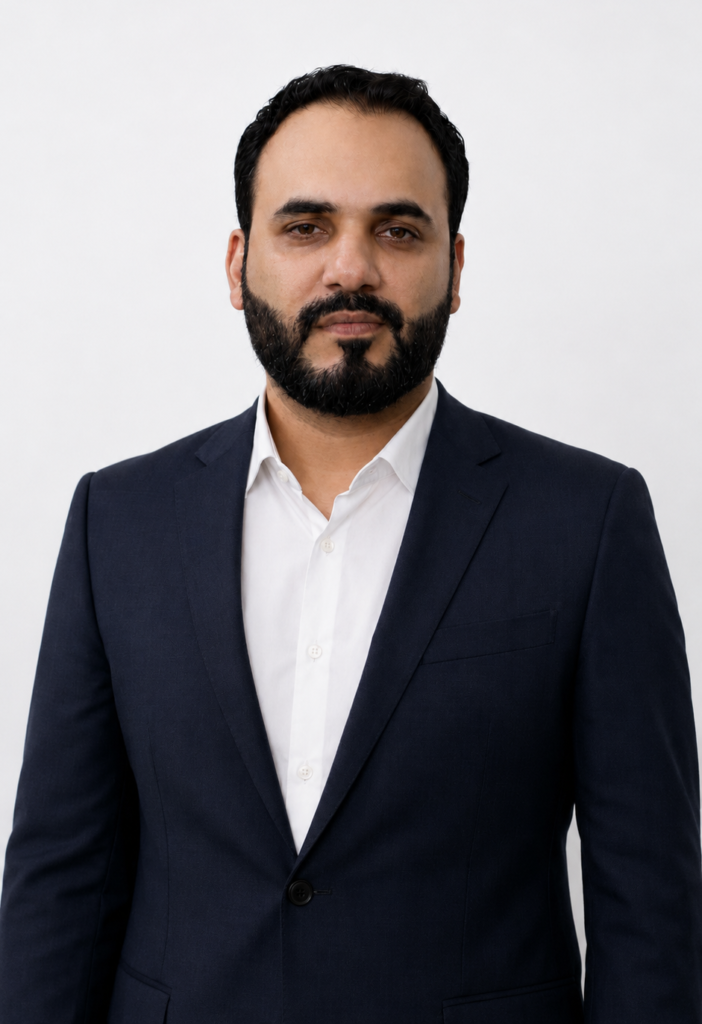
As CEO of DBTA, Aurangzaib Chawla advises globally mobile businesses
and individuals on cross-border tax planning and structuring. With expertise spanning the UK, UAE, and wider GCC, Zaib helps clients minimise double taxation, protect assets, and achieve long-term financial efficiency while staying fully compliant.
Planning to launch in Dubai or the UAE?
Let’s talk about how to structure your business for growth the smart, compliant, and tax-efficient way.
Connect with Reliable Dubai Business Consultants
Get in Touch