

Want to set up a business in Dubai? The mainland is a great place to start.
In 2021, the UAE dropped its old 51% local ownership rule. Now, most mainland businesses can be 100% foreign-owned. That is a big deal.
The Department of Economy and Tourism (DET) runs all mainland company registrations. The DET used to be called the DED. It grants trade licenses and oversees the full setup process.
A Dubai mainland company can trade across the whole UAE. There are no geographic limits. You can open a shop, win government contracts, and serve local buyers directly.
A Free Zone company cannot do any of that without hiring a local agent or opening a branch. The mainland gives you far more freedom.
This guide covers every step, real 2026 costs, visa rules, and the compliance duties you must meet.
A mainland company follows UAE federal law and Dubai commercial rules. It runs from a real office address in Dubai.
Open market access is the top advantage. You can sell to any buyer in the UAE, including government bodies. There are no limits on where you work or who you serve.
The DET grants three main license types. Each one suits a different kind of business.
This license covers trading. It includes general trade, import and export, retail, and logistics.
It uses an LLC structure. Most trading activities allow full foreign ownership.
This license covers skills and knowledge work. Think consulting, IT, design, and education.
Full foreign ownership is allowed here, too. But you must hire a Local Service Agent (LSA).
The LSA is a UAE national. They handle admin tasks only. They hold no shares and have no say in your business.
This license covers making and producing goods. Food production falls here too.
Extra approvals from other government bodies are often needed.
Picking the right license is the most vital first step. It shapes your costs, your legal form, and your compliance duties. Get it wrong, and you pay to fix it later.
Not sure which setup suits you? Here is a plain breakdown.
Mainland is best when your buyers are in the UAE. You need a real office. But you can trade anywhere in the country.
Tax is simple. You pay 0% on profit up to AED 375,000. You pay 9% on profit above that.
Free Zone suits export-focused or global businesses. You get full ownership and can use shared offices. But you cannot sell directly to UAE mainland buyers without an agent or a branch.
The 0% tax rate only applies to qualifying income. You also need real economic substance inside the zone.
Offshore is for holding firms, asset protection, or international billing only. These firms cannot hire local staff, rent offices, or operate inside the UAE.
| Feature | Mainland (DET) | Free Zone | Offshore |
|---|---|---|---|
| UAE Market Access | Full, no limits | Zone and global only | Not allowed |
| Foreign Ownership | 100% (most activities) | 100% | 100% |
| Physical Office | Required (Ejari) | Flexible or shared | Not required |
| Corporate Tax | 0% up to AED 375k; 9% above | 0% on qualifying income | Exempt |
Key point: if most of your sales come from UAE clients, a Free Zone setup may cost you more in tax. Income from UAE mainland buyers is usually not qualifying income. It gets taxed at 9% no matter where your firm is based. The mainland’s simple tax bands are often a better fit for locally focused businesses.
The DET groups all business activities into license types. Your type decides your legal form, the approvals you need, and the fees you pay.
It is worth spending time on this step. A wrong choice leads to costly changes later.
This is the most common type. It covers LLCs. Activities include general trade, retail, logistics, and real estate.
This is for knowledge and skill-based work. It covers consulting, software, design, and education.
Foreigners can own 100% of the firm. But an LSA must be appointed for admin tasks.
These covers making and producing goods. Extra rules apply for chemicals and food.
Tourism Licenses cover hotels, travel agents, and tour operators.
E-commerce is not a separate license. Selling goods requires a Commercial License. Selling digital services requires a Professional License.
The DET can grant some licenses in under an hour. But the full company formation process, with visas and banking, takes 4 to 8 weeks.
Here is each step, explained simply.
Choose the exact activity codes for what your firm will do.
This sets your license type, your legal form, and whether you can have full foreign ownership. Get it right from the start.
Trading firms use an LLC. Consultants use a Civil Company or Sole Firm. Your activity will guide this choice.
Send three name options to the DET. Follow UAE naming rules. Do not use religious terms, protected words, or names already in use.
This takes 1 to 2 days. It costs around AED 620 to 900.
The DET issues a letter that lets you move forward. This is not a license yet.
Cost: AED 150 to 500. Time: 2 to 3 business days.
An LLC needs a Memorandum of Association (MOA). A professional license needs an LSA Agreement.
These papers set out who owns the firm and who manages it.
A Dubai Notary Public must sign and attest all agreements. Every shareholder must attend in person.
If a shareholder is abroad, they must send a notarized Power of Attorney (POA).
This step takes 1 to 2 weeks. Delays here slow down the whole process. Plan.
You must lease a real commercial space. Register the lease with RERA to get an Ejari certificate.
Office size matters. The DET allows around 9 square meters per visa. Three visas need at least 27 square meters.
Send the DET your approval letter, notarized MOA or LSA, Ejari, and any extra approvals needed.
Food, health, and transport firms need sign-off from other bodies before the DET grants the license.
After the DET checks your file, they send a payment voucher. Pay within 30 days.
Your digital trade license is then granted, sometimes on the same day.
First, register with the Ministry of Human Resources and Emiratisation (MOHRE) to get an Establishment Card.
You need this card before you can apply for any visas. Investor visas last 2 years.
Each visa covers an entry permit, medical test, Emirates ID, and stamping. Budget AED 3,500 to AED 5,000 per person. Our visa processing team handles every stage of this for you.
Costs vary by activity, license type, and office size. These are real 2026 ranges for a standard new company.
Most new firms spend AED 25,000 to AED 50,000 before their first visa is done. That is after adding fees, legal costs, and the first rent payment on top of the base license fee.
| Cost Item | Type | Estimated Range (AED) |
|---|---|---|
| Initial Approval and Name | Government fee | 1,000 to 3,000 |
| License Issuance (base) | Government fee | 10,000 to 15,000 |
| Knowledge and Innovation Fees | Mandatory charge | AED 20 combined |
| Annual Office Rent (small space) | Recurring cost | 15,000 to 50,000+ |
| Ejari and Housing Fee | Government fee | 5% of annual rent |
| MOA Notarization | Legal fee | 1,500 to 5,000 |
| LSA Fee (annual) | Agent fee | 5,000 to 15,000 |
| Investor Visa (2 years) | Per person | 3,500 to 5,000 |
| Establishment Card | Government fee | ~750 |
| External Approvals (if needed) | Government fee | 1,000 to 20,000+ |
Watch out for the lease deposit. Dubai landlords often ask for one to three months’ deposit, plus the first quarter’s rent, all upfront. Add this to your launch budget before you start
Renewal costs run from AED 10,000 to AED 25,000 per year. The housing fee, set at 5% of your rent, is often the biggest single renewal cost. It goes up when your rent rises.
Missing papers are the top cause of delays. The DET will not accept incomplete files. Here is what you need.
If a parent firm is setting up a Dubai unit, you need more. Here is the list:
Common mistake: local notarization in your home country is not enough. Documents must be legalized by the UAE Embassy in that country, then attested by the UAE Ministry of Foreign Affairs (MoFA). Plain notarization will get your file rejected.
Your visa limit links directly to your office size. The DET and MOHRE use a rule of 9 square meters per visa.
A 27 square meter office gives you 3 visas to start. Some priority sector firms can start with up to 6 or even 20 visas.
To get more visas later, you must lease a bigger space and file a new Ejari with MOHRE. This takes time and costs extra money.
Each 2-year visa covers the entry permit, status change, medical test, Emirates ID, and stamping. Budget AED 3,500 to AED 5,000 per person.
Banking is often the hardest part of the whole setup. UAE banks follow strict anti-money laundering rules under Federal Decree Law No. 10 of 2025.
Rejections are common. Here are the top reasons why:
Most banks ask for a minimum monthly balance. This runs from AED 50,000 to AED 500,000, based on the bank and account type.
Some banks, like Commercial Bank of Dubai (CBD), offer low-barrier accounts for new SMEs. No minimum balance is required.
Start your bank application as soon as your license is granted. Approval often takes 4 to 6 weeks, sometimes more.
Running a mainland firm comes with ongoing legal duties. These are not optional. Fines apply for missing them.
All mainland firms pay corporate tax. The rate is 0% on profit up to AED 375,000. It is 9% on profit above that.
You must sign up with the Federal Tax Authority (FTA) right after you form your firm. This applies even if your profit is zero.
Tax returns must be filed within 9 months of your year-end. Our corporate tax team manages registration, filing, and planning for you.
Many small firm owners think they can skip FTA sign-up until they hit AED 375,000 in profit. That is wrong. Sign-up is required from day one, no matter what you earn. Missing the deadline brings fines.
You must keep a UBO register. This lists everyone with 25% or more equity. Send this to the DET and keep it updated.
These rules cover firms in holding, shipping, and finance activities. They must show a real physical presence in the UAE.
Annual reports must be filed with the Ministry of Finance.
All firms must monitor transactions and report any suspicious activity. These are UAE federal law requirements.
The DET can grant some licenses the same day. But the full process, with visas and a bank account, takes 4 to 8 weeks.
Here is a rough breakdown:
The main risk to your timeline is not DET delays. It is late external approvals for certain activities. Banking compliance can also slow things down.
Use this to track every stage of your Dubai mainland company registration.
| Step | Action | Key Note |
|---|---|---|
| 1 | Pick your activity and legal form | Confirm full foreign ownership is allowed |
| 2 | Reserve your trade name | Send 3 options, follow naming rules |
| 3 | Get initial DET approval | Takes 2 to 3 business days |
| 4 | Draft and notarize MOA or LSA | All shareholders must sign or send a POA |
| 5 | Get office space and Ejari | 9m per visa is the standard rule |
| 6 | Submit final file and pay | Pay DET voucher within 30 days |
| 7 | Get Establishment Card | Needed before any visa can be processed |
| 8 | Apply for investor and staff visas | Budget AED 3,500 to AED 5,000 per person |
| 9 | Open corporate bank account | Start right away; allow 4 to 6 weeks |
| 10 | Sign up for Corporate Tax with FTA | Do this from day one of operations |
A Dubai mainland company gives businesses the freedom to operate across the UAE market. Many investors prefer this setup because it supports local trade, business growth, and wider market access.
At the same time, company setup involves important legal and administrative steps. Business owners must manage trade licenses, office paperwork, visa applications, banking, and compliance requirements.
Understanding the process early can help avoid delays and extra costs later. Careful planning also makes mainland company formation smoother and easier to manage over time.
With visas and a bank account, expect 4 to 8 weeks from start to finish.
Most firms spend AED 25,000 to AED 50,000 to get started. This does not include your office deposit.
Yes. A RERA-registered commercial office is required for almost all mainland licenses.
Yes, for some activity types. But you still need an Ejari, visas, and a bank account. Those take more time.
No. Banking, defense, and oil and gas are still restricted under the Negative List.
Right after you form your firm. Sign-up is required even before you earn any profit.
By your office size. The rule is 9 square meters of commercial space per visa.
Market access. A mainland firm can trade freely across the whole UAE. A Free Zone firm cannot sell direct to UAE mainland buyers without an agent or branch.
Yes. But amendments cost money and need DET approval.
No. VAT and Corporate Tax sign-ups are separate. Both go through the FTA.
After you get your Establishment Card. This comes after your license is granted.
They depend on your activity codes, number of partners, and the municipal charges for your license type.

As CEO of DBTA, Aurangzaib Chawla advises globally mobile businesses and individuals on cross-border tax planning and structuring. With expertise spanning the UK, UAE, and wider GCC, Zaib helps clients minimise double taxation, protect assets, and achieve long-term financial efficiency while staying fully compliant.
Let’s talk about how to structure your business for growth the smart, compliant, and tax-efficient way
As CEO of DBTA, Aurangzaib Chawla advises globally mobile businesses and individuals on cross-border tax planning and structuring. With expertise spanning the UK, UAE, and wider GCC, Zaib helps clients minimise double taxation, protect assets, and achieve long-term financial efficiency while staying fully compliant.
Let’s talk about how to structure your business for growth the smart, compliant, and tax-efficient way
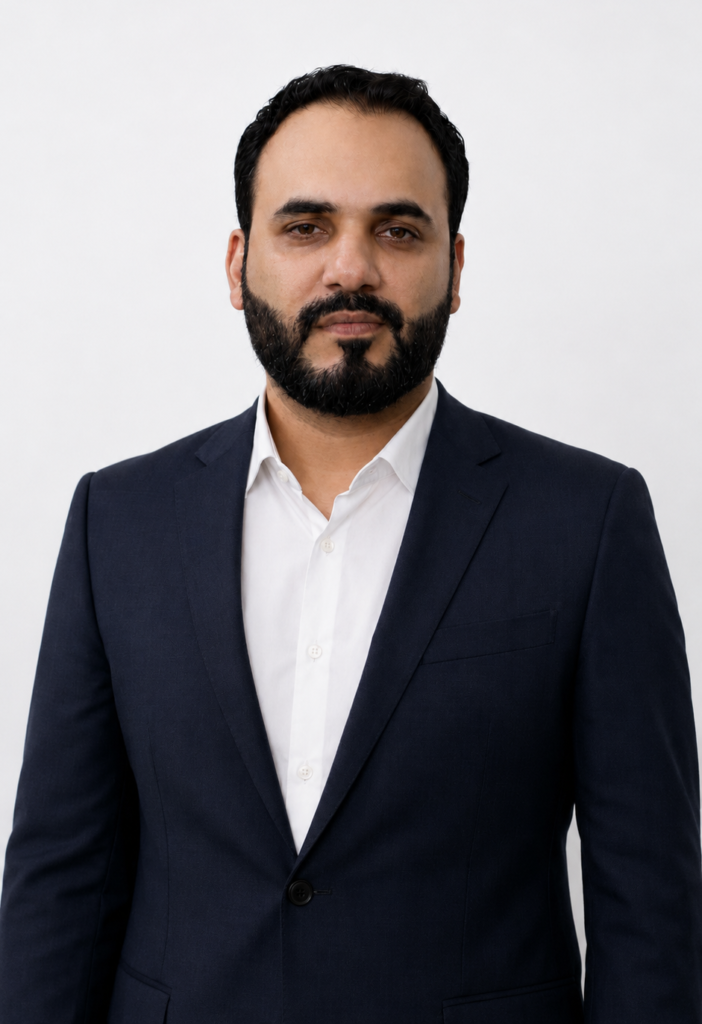
As CEO of DBTA, Aurangzaib Chawla advises globally mobile businesses
and individuals on cross-border tax planning and structuring. With expertise spanning the UK, UAE, and wider GCC, Zaib helps clients minimise double taxation, protect assets, and achieve long-term financial efficiency while staying fully compliant.
Let’s talk about how to structure your business for growth the smart, compliant, and tax-efficient way.
Get in Touch