
Industrial License in Dubai 2026: Cost, Rules and Setup Guide

Recent Insights
Table of Contents
Introduction
The UAE’s Operation 300bn plan wants to put the country at the top of global production by 2031. The government is putting real money and real support behind this goal.
But here’s the thing. Getting an industrial license takes more than filling out a form. You need the right site, the right papers, and a yes from several bodies. Miss one step and you lose months.
This guide walks you through everything for 2026.
What Is Industrial License?
It’s a license that lets you make, pack, or process goods in Dubai. It’s not the same as a trading license. The law treats the two very differently.
The rules are simple. If you buy ready-made goods and sell them on, that’s trading. If you take raw parts and turn them into a new product, that’s making goods. Even bulk packing counts as an industrial act under UAE law.
You need this license if your business:
- Turns raw parts into new goods.
- Puts parts together to make a finished item.
- Changes how a product looks or works.
- Packs large amounts of goods for sale.
This gap matters more than most people think. The Department of Economy and Tourism (DET) (دائرة الاقتصاد والسياحة) and MoIAT are strict on this point. If you run a factory on a trading license, you can face big fines and an instant shutdown. Getting your business license right in Dubai from day one is key.
How to Get Industrial License in Dubai (Step-by-Step Application Process)
Getting an industrial license in Dubai is a step-by-step process that must be followed correctly. Each step affects your approval, timeline, and cost, so accuracy matters from the start.
Step 1: Pick Your Business Structure
Decide if you’ll be a sole owner, an LLC, or a branch of a foreign firm. This affects your tax setup and your legal rights from day one. Get advice before you commit.
Step 2: Get Initial Approval
Go to the DET, pick your trade name, and submit your first set of papers. Don’t move on until you have this in hand.
Step 3: Find and Lock Down Your Site
Find an approved site and check the power load with DEWA. Once you’re happy, sign the lease and put it into Ejari.
Step 4: Get Safety Sign-off
Submit your plans to Dubai Municipality (بلدية دبي); and Dubai Civil Defense (الدفاع المدني دبي). They may visit the site and ask for changes. Have your plans in full detail so they don’t come back with more questions.
Step 5: Complete the Impact Report
If your factory makes noise, smoke, heat, or waste, an expert firm must write an impact report for you. It shows the bodies how you’ll manage every type of output from your site.
Step 6: Set Up the Floor
Bring in your machines and set up the line exactly as your approved plans show. Any change from the plans will come up during the final check and cause delays.
Step 7: Final Site Check
Invite the bodies to walk through your factory. They check that the real site matches all your submitted papers.
Step 8: Pay and Pick Up Your License
Pay the final fees. The DET then issues your industrial license. You’re ready to start.
Mainland or Free Zone: Which One Is Right for You?
This is the first big choice you’ll make. It shapes your tax setup, your market, and how much of the firm you can own. There’s no one right answer. It depends on what you make and who buys it.
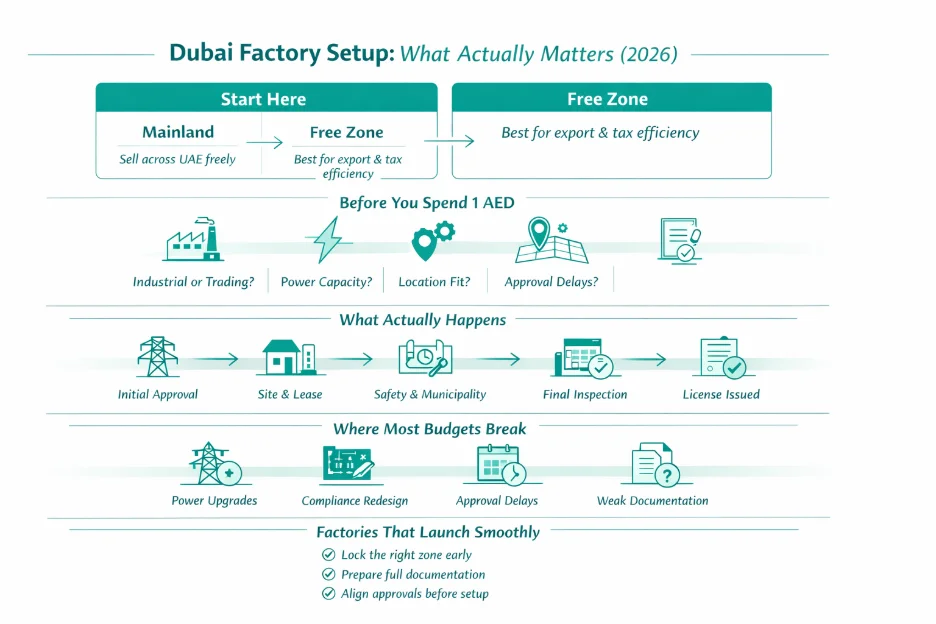
Read this guide on Free Zone vs. Mainland UAE setup before you commit to either.
Mainland Setup
A mainland license comes from the Dubai DET. It’s the best pick if your main market is inside the UAE.
With this setup, you can sell to anyone in the country with no extra tax or middlemen. You’ll also have a better shot at winning public contracts. And your ICV score, which shows how much your firm helps the local economy, will be higher. That score opens more doors than most new owners expect.
For the full step-by-step guide, read about setting up on Dubai Mainland through the DED.
Pro-Tip for 2026: If you’re setting up on the mainland to sell to the government, you need an ICV (In-Country Value) Certificate. It’s a score that shows how much money you keep inside the UAE economy. In 2026, you won’t win a major public tender without a solid score. Build your supply chain locally from day one to keep this number high.
Free Zone Setup
Free zones like JAFZA and Dubai South sit close to ports and airports. They suit firms that plan to ship goods abroad. You pay no import tax on raw parts. Shipping is fast. And you can own the whole firm with no local partner.
The downside: to sell inside the UAE, you pay a 5% customs fee and need a local agent. If most of your sales are in the UAE, the mainland wins.
Choosing the Right Industrial Zone
Your license is tied to a real, approved site. You can’t use a small office or a storage unit. You need a proper spot in a set zone.
These zones exist for good reasons. They keep noise and big trucks away from home. They also make sure there’s enough power, water, and road access for all the firms inside.
Approved Zones in Dubai
Zone | Best For |
Dubai Industrial City (DIC) | Full-scale production |
Jebel Ali Industrial Area | Heavy work, port access |
Al Quoz | Light production, small plants |
Dubai South | Aerospace, airport work |
Check the Power Before You Sign
This is the mistake that kills most new factories. A warehouse might look perfect, but if the DEWA power load can’t handle your heavy machinery, you’re stuck with a very expensive storage unit.
Always ask for a “Power Capacity” letter from the landlord before you sign. If they can’t show it, walk away. Upgrading power after you sign the lease can take six months and cost more than the rent itself.
Ejari Registration
Every mainland lease must go into the Ejari system. This is the UAE’s official lease record tool. Without it, your license request can’t move forward.
The Approvals You Need
You need a yes from more than one body. This is the slowest part of the whole process.
- Initial Approval from the DET
You submit your trade name and planned work. The DET checks that your plan fits the rules. Once you have this, the rest of the steps can begin.
- Dubai Municipality
They check your building plans, your waste setup, and how you’ll handle noise and chemicals.
- Dubai Civil Defense
They check your fire safety. This covers sprinklers, fire exits, and alarms. You can’t open without their sign-off.
- MoIATRegistration
All factories in the UAE must sign up with the Ministry of Industry and Advanced Technology. This makes you a legal industrial firm. They also issue Industrial ID cards.
The “Green” Requirement (MoIAT 2026)
Before you finalize your machine list, check the new Industrial Technology Transformation Index (ITTI). The Ministry of Industry and Advanced Technology (MoIAT) (وزارة الصناعة والتكنولوجيا المتقدمة) isn’t just looking at what you make; they’re looking at how “clean” your tech is.
High scores here aren’t just for compliance; they unlock cheaper financing from the Emirates Development Bank. If your factory is smart and green, the government actually helps you pay for it.
Documents You Must Have Ready
One missing paper can stop your whole request. Get all these ready before you start:
- Business Plan: what you make, how you make it, and your money plan.
- Factory Layout Drawings: building plans of your site.
- Passport and Visa Copies: for every owner and partner.
- Memorandum of Association (عقد التأسيس): your firm’s legal paper.
- Ejari Lease Contract: your signed and registered lease.
- Machine List: every piece of equipment you plan to use.
- Raw Parts List: all inputs used in your process.
Note: Translate all papers into Arabic before you submit. Many bodies only accept Arabic documents.
How Long Does It Take?
Stage | Time |
First DET steps | 2 to 3 weeks |
Safety and impact approvals | 6 to 10 weeks |
Full setup in an existing building | 3 to 6 months |
Building from scratch | 8 to 14 months |
The safety and impact stage is almost always the slowest part. Firms that come with clean, full papers move through it much faster than those that are not prepared.
What Does It Cost in 2026?
These are fees for legal and official work only. Rent, building work, and machines are extra.
Item | Cost (AED) |
First approval | 1,500 to 2,500 |
Industrial license fee | 15,000 to 25,000 |
Safety approvals | 5,000 to 15,000 |
Impact report | 10,000 to 30,000 |
Legal and paper work | 3,000 to 7,000 |
Minimum total | 100,000 to 150,000 |
For an exact figure based on your work type and site, speak to a business license advisor in Dubai who works with makers and factory owners.
Tax: What Factory Owners Need to Know
The UAE charges 9% tax on profits above AED 375,000. This covers all firms, including factories. Free zone firms can pay 0% on the right type of income, but only if they run real work inside the zone and keep full records.
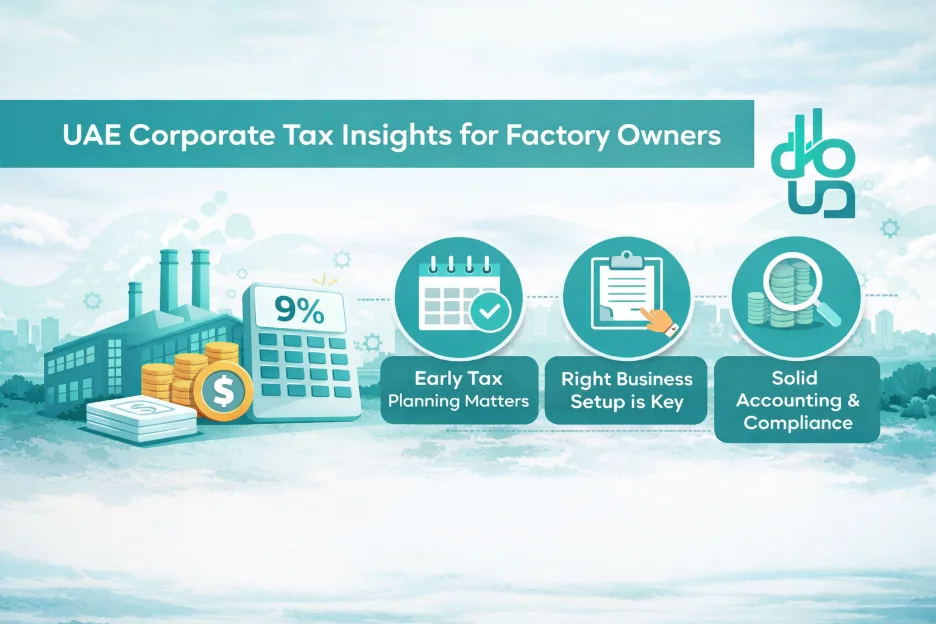
Don’t wait until after setup to think about this. The way you form your firm on day one sets your tax path for years. Get advice on UAE corporate tax planning before you lock in your structure. Back it up with solid accounting help in Dubai so your books are clean and your filings are on time.
Rules by Industry
Food and Drink
The Dubai Municipality Food Safety team runs extra checks on your kitchen, storage, and hygiene setup. Their sign-off is needed before you can start making goods.
Medicine and Health
Medicine making falls under the Ministry of Health and Prevention (MOHAP). The rules on building design, storage, and quality control are strict and detailed.
Tech and R&D
Tech-focused makers may qualify for an R&D license. These are often faster to get and give access to hubs like Dubai Silicon Oasis.
Three Mistakes That Cost the Most
Mistake 1: Signing a lease in the wrong zone.
A building that looks like a factory may only be zoned for storage. Always check the zone type and power load before you sign. The wrong lease means rent bills with no way to get your license.
Mistake 2: Treating the business plan as a small task.
The DET reads your plan as part of the approval. A thin or weak plan gets rejected. Write it as a real document that shows your work is funded, legal, and ready to run.
Mistake 3: Picking the wrong activity code.
Each code has its own rules. The rules for plastic making are not the same as for metal work. The wrong code creates legal gaps that show up at the worst possible time.
Keeping Your License Active
You must renew your industrial license every year. Start at least 30 days before it runs out. You’ll need:
- Your current Ejari (إيجاري) lease.
- A fresh Civil Defense safety approval.
- Proof that your site still meets all the rules.
If you’ve added machines or changed your setup, tell the bodies before your renewal. They find these changes during checks. Not telling them leads to fines.
Conclusion
Dubai is a strong base for any firm that makes goods. The ports work well, the support is real, and the market ties are global. For makers who are ready to commit, 2026 is a good time to come in.
What sets apart the firms that set up well from those that don’t is rarely money. It’s prep work. The right site, the right license type, the right papers, and the right help early on make all the difference.
Frequently Asked Questions (FAQs)
No. You need a real, approved building or land. Virtual offices don’t qualify for this type of license.
Most types of factory work now allow full foreign ownership. A few sectors still need a UAE national partner. Check the rules for your exact activity code before you set up.
ICV stands for In-Country Value. It’s a score that shows how much your firm helps the UAE economy through jobs, local buying, and investment. A high score helps you win public contracts.
It depends on your machines. Get an engineer to check your power needs first. Then confirm the site can supply it through DEWA before you sign the lease.
Yes. Dubai has some of the best port and air links in the world. You can ship by sea through Jebel Ali, by air through Dubai or Al Maktoum, or by road across the Gulf.
You can, but it usually means setting up a new firm. The cost and work make it a poor trade for picking the right spot from the start. Read the full guide on Free Zone vs. Mainland setup before you decide.
Yes. You must sign up when you form the firm, not when you start earning. Pre-revenue firms must still register on time. Missing this brings an AED 10,000 fine.
Latest news & articles
About the Author:
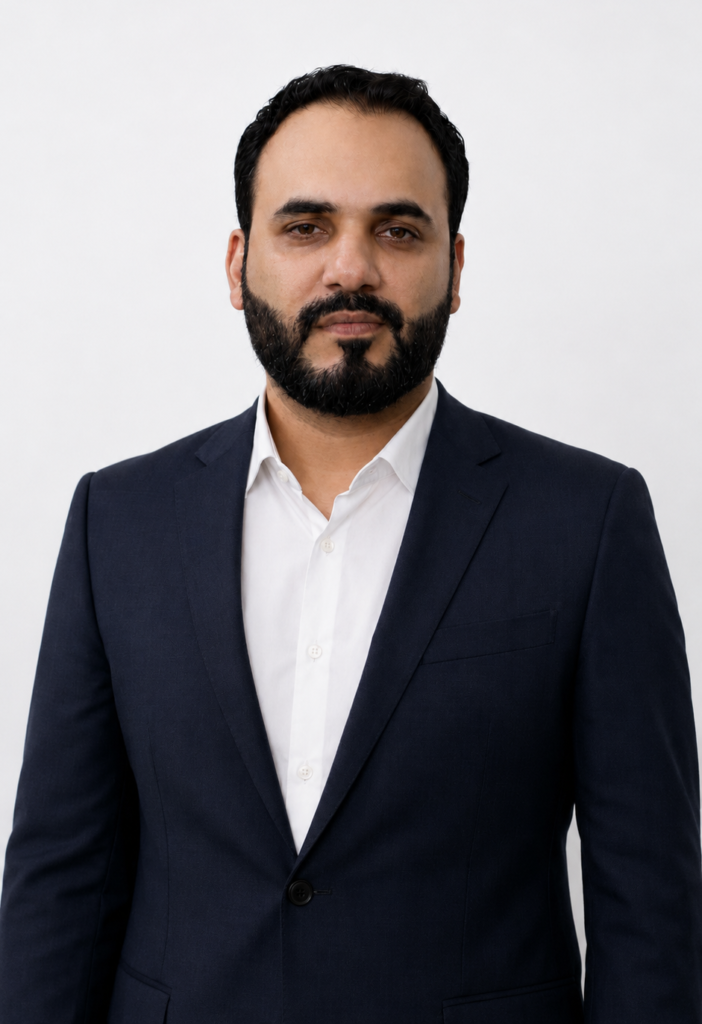
AURANGZAIB CHAWLA
As CEO of DBTA, Aurangzaib Chawla advises globally mobile businesses and individuals on cross-border tax planning and structuring. With expertise spanning the UK, UAE, and wider GCC, Zaib helps clients minimise double taxation, protect assets, and achieve long-term financial efficiency while staying fully compliant.
Planning to launch in Dubai or the UAE?
Let’s talk about how to structure your business for growth the smart, compliant, and tax-efficient way

About the Author:
AURANGZAIB CHAWLA
As CEO of DBTA, Aurangzaib Chawla advises globally mobile businesses and individuals on cross-border tax planning and structuring. With expertise spanning the UK, UAE, and wider GCC, Zaib helps clients minimise double taxation, protect assets, and achieve long-term financial efficiency while staying fully compliant.
Planning to launch in Dubai or the UAE?
Let’s talk about how to structure your business for growth the smart, compliant, and tax-efficient way
About the Author:
AURANGZAIB CHAWLA
As CEO of DBTA, Aurangzaib Chawla advises globally mobile businesses
and individuals on cross-border tax planning and structuring. With expertise spanning the UK, UAE, and wider GCC, Zaib helps clients minimise double taxation, protect assets, and achieve long-term financial efficiency while staying fully compliant.
Planning to launch in Dubai or the UAE?
Let’s talk about how to structure your business for growth the smart, compliant, and tax-efficient way.
Connect with Reliable Dubai Business Consultants
Get in Touch