
Preparing for a UAE VAT Audit: Top Tips for Businesses.

Recent Insights
Table of Contents
Introduction: The Imperative of VAT Audit Preparedness
Imagine running your business in Dubai, everything going smoothly, until one morning you open a letter from the Federal Tax Authority. It’s a notice for a UAE VAT audit. For many owners, that moment comes with a jolt of anxiety. Did we miss something in our records? Since VAT was rolled out in 2018, the FTA has stepped up checks across industries. Their job is to confirm that companies are sticking to UAE VAT laws and regulations, applying the right tax rates, and filing accurate UAE VAT reporting. In simple terms, an audit is the authority making sure the numbers you submit reflect the real business activity. Some firms take it in stride because they have been preparing all along. Others panic, rushing to dig up receipts and invoices. The difference is how seriously a company treats VAT tax compliance for UAE businesses. If compliance is left until the last minute, mistakes show up quickly and penalties follow. But if UAE VAT audit preparation is part of daily practice, the UAE VAT audit process feels much less like a threat and more like a routine check-up. Think of it like health. Waiting until you are sick to see a doctor is risky. Looking after yourself every day makes the check-up easy. The same goes here: steady compliance is the cure for audit stress. In this guide, we will walk through a clear VAT audit checklist UAE, highlight common errors that trip up companies, and share practical advice so you know exactly how to pass a VAT audit in the UAE without sleepless nights.
Understanding the UAE VAT Audit Landscape
What is a VAT Audit? Purpose and Scope
If you run a business in the Emirates, sooner or later, you will hear about a VAT audit in the UAE. It is the Federal Tax Authority, better known as the FTA, that checks whether your company is following the rules. Now, don’t take a quick glance at your paperwork. An audit can get deep. Officers may ask to see sales invoices, refund claims, bank statements, or even how your accounts are kept. Their job is to ensure your UAE VAT reporting matches reality and that the right amount of tax has been paid. Why go through all this? Two reasons stand out. First, to confirm that companies are compliant. Second, to spot problems like false refund claims or attempts at tax evasion. If something doesn’t look right, a sudden jump in expenses, a refund that feels unusual, the FTA takes a closer look.
Here’s where a UAE VAT audit checklist helps. Having every receipt, return, and record in order makes the whole UAE VAT audit process smoother. Without preparation, you are scrambling at the last minute, which is how mistakes show up. Think of it less as a punishment and more as a system to keep things fair. Companies that make VAT compliance in the UAE part of daily life rarely struggle. The ones that ignore it usually find out the hard way, through penalties, delays, or reputational damage that lingers long after the audit ends.
The Legal Foundation and Powers of the FTA
When it comes to audits, the Federal Tax Authority does not just act on guesswork; it operates under clear law. The authority comes directly from Federal Decree-Law No. 7 of 2017 on Tax Procedures. In plain words, this law gives the FTA the legal right to step in and carry out a UAE tax authority audit on any registered company or taxable person to check compliance with UAE VAT laws and regulations. The powers they hold are wide-ranging. An auditor can walk into a shop, warehouse, or office where business is conducted or where records are stored. They have the right to request original invoices, pull up digital records, and even look into a company’s accounting systems. If needed, they can seize assets or examine new information that was not part of your previous UAE VAT tax reporting. Usually, companies get a formal notice at least five days before a scheduled VAT audit in the UAE. But there are exceptions. If the FTA suspects tax evasion, they can arrive without warning, sometimes even shutting down operations for up to 72 hours to complete the review. Imagine a retail store in Dubai suddenly having its shutters pulled down for three days because the auditors need full access. That is the kind of disruption businesses want to avoid. This framework makes one point very clear: the FTA is not just collecting paperwork; it is actively enforcing VAT compliance UAE. The ability to conduct surprise inspections and temporarily close down businesses shows how seriously non-compliance is treated. For companies, this is a reminder that being “audit-ready” every day is safer than rushing to prepare only after an email lands in the inbox.
Common Triggers for an FTA Audit
The truth is, the Federal Tax Authority has the right to audit any company whenever it chooses. Still, some businesses find themselves under review more often because of certain warning signs in their records. These ‘triggers’ usually come down to gaps in reporting or unusual patterns that suggest something is not right. Here are the most common ones:
- Large VAT Refund Claims
If a business files for a hefty refund, it always catches the FTA’s eye. Think of a trading company in Dubai suddenly claiming hundreds of thousands back on input tax. Before releasing that money, the authority wants to be sure the refund is genuine. This is where a solid VAT audit checklist for the UAE comes in handy. Every invoice must support the claim.
- Irregular or Inconsistent VAT Returns
Spikes in sales, sudden drops in declared revenue, or odd shifts in input vs. output VAT across filing periods raise red flags. A VAT audit in the UAE may be triggered simply because the numbers do not follow a logical pattern.
- Late Filings or Payments
Submitting returns late once in a while is one thing. Doing it regularly is another. The FTA takes repeat delays as a sign of weak systems, or worse, poor compliance. For companies with a history of missed deadlines, a UAE tax authority audit is almost guaranteed.
- Poor Compliance Record
Businesses that already have fines, penalties, or past issues on their record are at higher risk. A bad compliance track record tells the FTA there might be deeper problems.
The authority does not just look at one mistake in isolation. It seems like patterns. One late filing might result in a fine, but repeated behaviour builds a risk profile. Companies flagged this way usually face closer monitoring and, in many cases, a full-scale audit. The bottom line? Staying on top of VAT compliance in the UAE isn’t about avoiding a single fine; it’s about avoiding long-term scrutiny that can slow down your operations and damage your reputation.

The Proactive Business’s Guide to Pre-Audit Preparation
The Value of a VAT Health Check
Here’s the smart move: don’t wait for the FTA to send you a notice. Businesses that treat UAE VAT audit preparation as a routine, not an emergency, are the ones that pass smoothly. One of the best tools for this is a VAT health check, sometimes called a pre-audit review. Think of it as hiring professionals who provide VAT audit services in the UAE to review your books before the government does. So, what does it involve? A health check digs deep into accounting records, transaction trails, and past filings. Auditors compare VAT returns with financial statements line by line. If there is a mismatch, it shows up immediately, long before it becomes an issue during a VAT audit in the UAE. The benefits are obvious. You save yourself the stress of rushing around with paperwork when the notice arrives. A health check also prevents small mistakes, an overlooked input tax or a misclassified expense, from snowballing into penalties. In fact, a solid VAT audit checklist for the UAE created during the review helps you stay organised for future filings too. But there’s more to it than just avoiding fines. A proper review strengthens internal controls and highlights ways to optimise processes. Some companies even discover opportunities to improve VAT recovery, reducing costs over time. Instead of seeing compliance as a burden, the health check reframes it as a strategy, one that protects your reputation, keeps you penalty-free, and improves your VAT compliance overall.
Mastering Your Documentation and Record-Keeping
If there is one thing that makes or breaks a VAT audit in the UAE, it is paperwork. The Federal Tax Authority doesn’t just want to see your VAT return; they want proof organised, detailed, and easy to trace. Under VAT audit requirements in Dubai, companies must keep financial records for at least five years. In real estate, the bar is even higher: some records must be held for 15 years. Now, here’s what most business owners don’t realise. Auditors won’t only ask for your VAT returns. They’ll dig deeper, often requesting files you might not link directly to tax. Payroll, contracts, even your general ledger, everything is fair game. Why? The FTA compares one set of numbers against another to spot inconsistencies in your UAE VAT tax reporting.
Here’s a quick checklist that usually comes up during the UAE VAT audit process:
- VAT returns for the audited period
- Sales and purchase ledgers
- Tax invoices and credit notes
- Bank statements and reconciliations
- General ledger, AP/AR reports
- Payroll files and employee contracts
- Fixed asset register
- Import/export documents
The message is clear. Keep records neat, keep them consistent, and keep them ready. When an auditor walks in, scrambling to find paperwork is the fastest way to lose control of the audit.
Internal Controls and Best Practices
Keeping records in order is step one. Step two is making sure your systems and people prevent problems before they even happen. Strong internal controls are the backbone of VAT compliance in the UAE, and businesses that take them seriously usually fly through audits with minimal stress.
One of the smartest moves is investing in VAT-focused software. Instead of juggling spreadsheets, these tools automate reporting, track transactions, and generate invoices that match up with requirements under UAE VAT audit preparation. Less manual entry means fewer mistakes and fewer red flags during a review.
Here are a few best practices that really work in day-to-day business life:
- Regular Reconciliation
Think of it as a monthly internal audit. Matching VAT returns with your accounting records helps catch inconsistencies early. For example, one Dubai trading firm discovered a duplicated invoice only because their finance manager reconciled accounts before submitting. A solid VAT audit checklist for the UAE should always include reconciliation.
- Continuous Monitoring
VAT rules in the UAE are not static. The FTA frequently updates regulations, and ignorance is never an excuse. Companies that track changes avoid the nasty surprise of being penalised for rules they “didn’t know” had changed.
- Training Your Team
Most errors don’t come from fraud; they come from people who aren’t sure how to record something. Teaching finance staff the basics of VAT means fewer mistakes at the transaction level. A trained team is your best first line of defence.
- Professional Expertise
Not every company has in-house specialists. That is where bringing in experts who provide VAT audit services in the UAE makes sense. A consultant or registered tax agent can guide you through complex issues, leaving management free to focus on operations.
The truth is that these practices aren’t just about avoiding penalties. They save money, protect reputation, and build confidence. When internal controls are strong, an audit feels less like a threat and more like confirmation that your systems work as they should.
The Definitive VAT Audit Checklist
Table 1: The UAE VAT Audit Checklist
| Audit Area | Key Actions to Verify | Supporting Documents & Records |
|---|---|---|
| Registration & Identification | Verify the accuracy of business activity codes and the correct usage of the Tax Registration Number (TRN). Review group registration details if applicable. | VAT Registration Certificate, Trade License, Corporate Documents, Group Registration Details |
| Taxable Supplies & Exemptions | Confirm correct classification of all supplies (standard-rated, zero-rated, exempt). Verify eligibility for all claimed zero-ratings or exemptions. | Sales Records, Tax Invoices, Contracts, Supplier Agreements |
| Input Tax & Credit | Ensure eligibility for all input tax claims. Verify the accuracy of input tax calculations and recovery. Review any input tax adjustments made. | Purchase Records, Tax Invoices received, Input Tax Ledger, Adjustment Vouchers |
| Invoicing & Record Keeping | Ensure all invoices comply with FTA regulations (e.g., “Tax Invoice” title, TRN, unique number). Maintain comprehensive records of all financial transactions for the required retention period. | Issued and Received Tax Invoices, Sales and Purchase Ledgers, Bank Statements, Financial Statements |
| Returns & Payments | Verify that all VAT returns were filed on time and accurately. Confirm the correct calculation and timely payment of all tax liabilities. | Submitted VAT Returns (Form 201), Payment Receipts, Bank Statements showing remittance |
Common Pitfalls and How to Avoid Them
Even good businesses trip up on VAT. The Federal Tax Authority takes non-compliance seriously, and penalties can add up fast. Knowing the common VAT audit mistakes in the UAE is the first step to avoiding them.
Late Filings and Payments
This one is all too common. A company forgets to file on time, 28 days after the tax period ends, and the fines hit immediately. First time? AED 1,000. Do it again within two years? AED 2,000. Missing the payment itself and it stings more: 2% added right away, 4% after a week, and then 1% daily after a month. That snowball can roll all the way up to 300% of the unpaid tax.
Imagine a small logistics firm in Dubai that’s late twice in a row. Instead of paying VAT once, they end up paying double with penalties. The fix is simple: set calendar alerts, or better yet, hand deadlines to a consultant who specialises in VAT audit in the UAE filings. A little organisation goes a long way.
Incorrect Tax Calculations and Claims
Here’s where confusion costs money. Some businesses forget to charge VAT on standard-rated items, or worse, they apply VAT to goods that are exempt. Others try to claim input tax on expenses that aren’t recoverable, such as staff entertainment or personal costs.
The FTA doesn’t shrug this off. AED 3,000 for the first incorrect filing, AED 5,000 if it happens again. A retail shop once learned this the hard way after trying to reclaim input VAT on staff parties. The lesson? Understand the rates, match expenses to taxable activities, and keep receipts tied clearly to business use. That’s real VAT compliance in the UAE.
Invoicing and Documentation Errors
Here’s where many companies slip without even realising it. The FTA requires invoices to meet very specific standards. If you don’t issue one, or if it is wrong, the fine is AED 5,000 per invoice. And yes, they mean per invoice. A valid invoice must say “Tax Invoice,” show supplier and customer details (including TRN), carry a unique number, include the date, a clear breakdown of goods/services, and the VAT applied. Simplified invoices used for amounts up to AED 10,000 need fewer details but must still meet the core requirements. Picture an audit where an officer asks for ten invoices, and three are missing the TRN. That’s AED 15,000 in penalties, just like that. The smart way to avoid this is to use VAT-compliant software and do internal invoice checks before the FTA does. Adding this to your UAE VAT audit process keeps things under control.
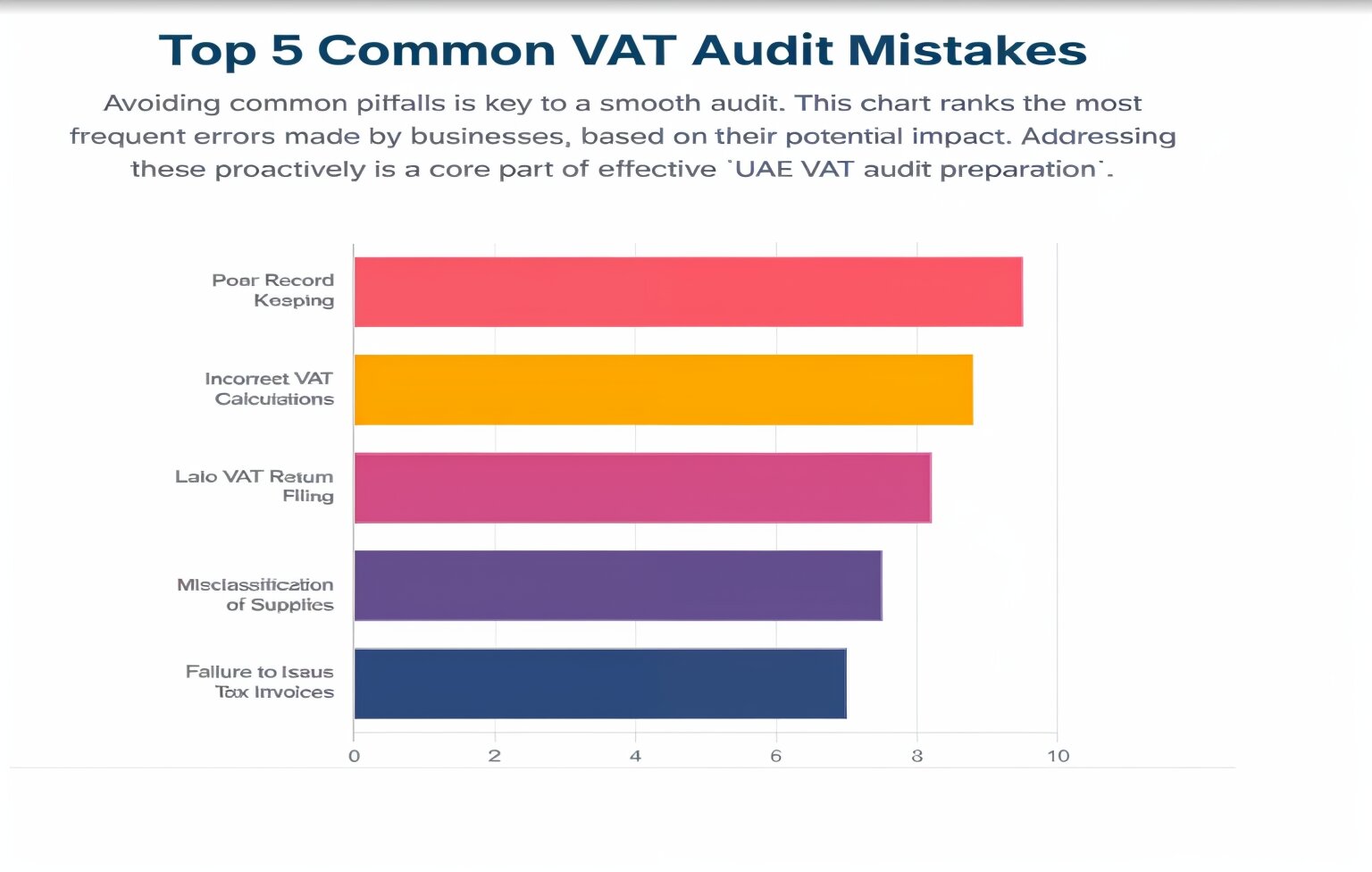
Table 2: Common VAT Mistakes and Associated Penalties
| Infraction | First Offense Penalty | Repeated Offense Penalty |
|---|---|---|
| Late VAT return filing | AED 1,000 | AED 2,000 (within 24 months) |
| Late payment of tax | 2% of unpaid tax immediately, followed by escalating penalties | 1% daily penalty up to 300% |
| Incorrect tax return filing | AED 3,000 | AED 5,000 |
| Failure to maintain proper records | AED 10,000 | AED 50,000 |
| Failure to issue a valid tax invoice or credit note | AED 5,000 per missing document | – |
Navigating the Audit Process Itself
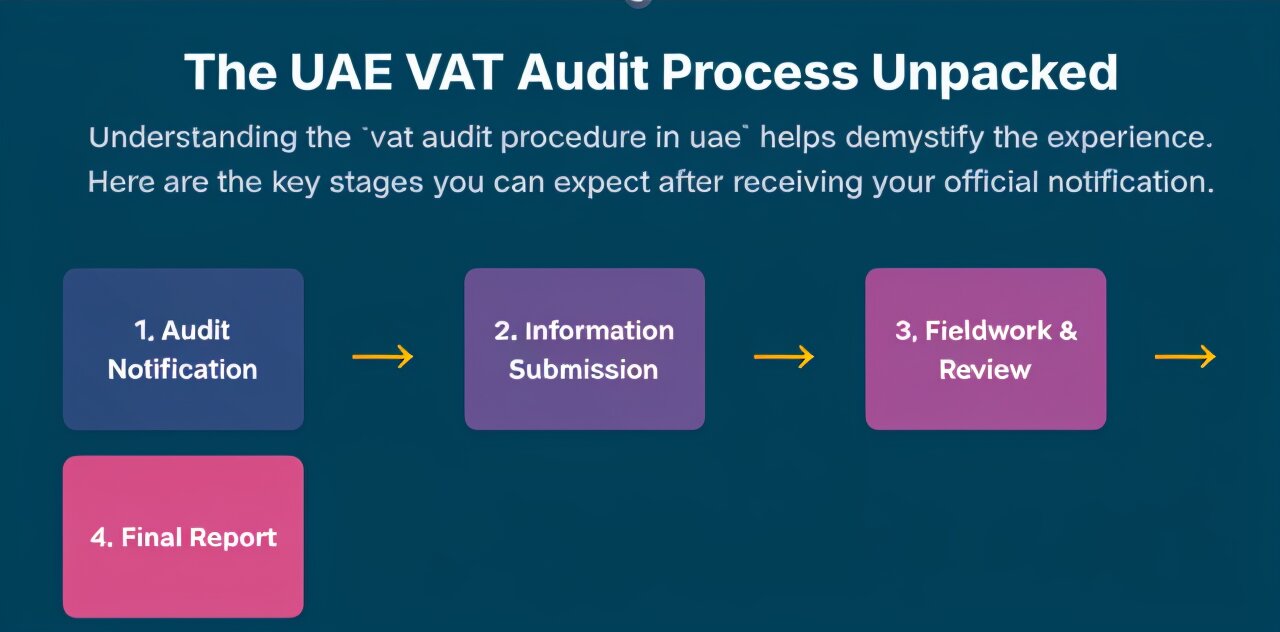
When a company in Dubai gets that email from the FTA, the first reaction is often nerves. But the truth is, the UAE VAT audit process usually follows a clear path. If you know what to expect, it’s a lot less intimidating. Here’s what normally happens:
Step 1: The Audit Notification
The notice goes to your registered tax email. It lays out the scope of the audit, the tax period being checked, and the documents they want. You do not get weeks to think about it; you are expected to respond quickly. That’s why businesses with a running VAT audit checklist UAE always have the upper hand.
Step 2: Submitting the Documents
Once notified, you hand over everything the FTA asks for. Sometimes you get five working days, sometimes a bit more. It can be done electronically or in hard copy. The companies that stay organised usually submit without much hassle. Others end up racing against the clock, digging through old files.
Step 3: The Audit Inspection
This part feels the most intense. Depending on the case, the VAT audit procedure in the UAE may happen remotely or at your office. On-site visits can involve auditors interviewing your finance staff, checking invoices against ledgers, and even flipping through physical files. Some businesses recall FTA officers walking into their warehouse to cross-check import paperwork with reported VAT returns.
Step 4: Findings and Report
After reviewing, the FTA compiles their report. It lists any discrepancies, unpaid tax, or compliance issues. Within about ten working days, the business is officially told the outcome. Sometimes it’s just minor adjustments. Other times, it can mean penalties. If nothing is wrong, it’s simply confirmation that your VAT compliance UAE is solid.
Think of the whole journey as a stress test. If you’re prepared, a VAT audit in the UAE feels more like a routine check-up than a crisis. If you’re not, the same process can throw operations into chaos.
Table 3: FTA Audit Powers and Legal References
| FTA Audit Power | Legal Reference | Description & Implications |
|---|---|---|
| Right to Conduct Audits | Federal Decree-Law No. 7 of 2017 on Tax Procedures | The FTA is legally mandated to perform tax audits to determine compliance with UAE tax laws. |
| Right to Access Records | Article 18 of the Tax Procedures Law | Tax auditors have the right to access original records or copies, accounting software and systems. |
| Right to Enter Premises | Article 18 of the Tax Procedures Law | Auditors can enter any place of business, storage, or where records are kept. They can temporarily shut down the premises for up to 72 hours if tax evasion is suspected. |
| Authority to Demand Information | Federal Decree-Law No. 13 of 2016 (Establishment of the FTA) | The FTA can demand access to data or information from third parties that may be required for the audit. |
| Right to Notify Results | Article 17 of the Tax Procedures Law | The FTA will notify businesses of the final audit results within 10 business days of its completion. |
How Dubai Business & Tax Advisors (DBTA) Can Help You Prepare
Getting through a VAT audit in the UAE is tough if you try to do it alone. Rules change, paperwork piles up, and deadlines sneak up on you. That is exactly why so many companies in Dubai and across the Emirates turn to Dubai Business & Tax Advisors (DBTA). We don’t just tick boxes or hand in generic reports. Our team offers hands-on VAT audit services in the UAE that are built around your business. You might need a quick health check to ensure filings match your accounts, or you may have refund claims that could draw extra attention from the FTA. Either way, we help you spot issues early and fix them before they turn into penalties. Think of DBTA as a partner in your UAE VAT audit preparation. We help set up a clear VAT audit checklist UAE, review records against the latest regulations, and even train your staff so that day-to-day VAT compliance UAE becomes second nature. One of our clients, a trading firm in Dubai, was facing repeated late penalties. With our guidance, they set up better internal controls, and the next time the FTA reviewed their books, they passed without a single fine. That is what we aim for: peace of mind. Whether it’s routine compliance, an upcoming inspection, or expert UAE tax audit advice, DBTA is here to guide you through the UAE VAT audit process with confidence.
FAQs
Let’s be real, waiting for an FTA notice is the worst way to approach a VAT audit UAE. The trick is to build habits early. Keep invoices, sales records, and bank statements in order so you’re not running around when the email comes. I’ve seen Dubai firms create a simple VAT audit checklist UAE that keeps everything ready in one file. Monthly reconciliations help catch mistakes before auditors do. Some businesses even bring in experts for UAE VAT audit preparation, a smart move that saves stress.
During a VAT audit in the UAE, the FTA doesn’t just stop at VAT returns. They usually ask for sales and purchase ledgers, invoices, bank statements, payroll files, and contracts. Under VAT audit requirements in Dubai, most businesses must keep records for at least five years, though real estate companies often hold them much longer. I know firms in Dubai that keep a ready VAT audit checklist UAE, so when auditors request documents, everything is already sorted. Staying organised makes the whole UAE VAT audit process easier.
Many companies slip during a VAT audit UAE by repeating the same errors. Late VAT filings are one of the most common VAT audit mistakes in the UAE, and they bring instant penalties. Others miscalculate VAT, apply the wrong rate, or claim input tax on non-eligible expenses like staff entertainment. Invoices also cause trouble; missing TRNs or wrong formats often trigger fines. To avoid these issues, businesses use a VAT audit checklist UAE, update staff on rules, and seek timely UAE tax audit advice.
First, don’t panic. A VAT audit in the UAE follows a structured process, and the best response is to stay organised. As soon as you get the notice, review the scope and prepare the documents listed: returns, invoices, ledgers, and contracts. Many firms use a VAT audit checklist UAE, so they don’t miss anything. Submit records promptly, in the format the FTA requests. If unsure, hiring experts who provide VAT audit services in the UAE ensures your VAT compliance UAE is protected throughout the review.
Conclusion: A Partnership in Compliance
Let’s be honest, no company in the UAE enjoys getting that audit notice from the FTA. A VAT audit UAE can feel like a storm cloud if you are unprepared. The authority has sharp tools, wide powers, and a penalty system that piles up quickly. One missed filing, one incorrect invoice, and suddenly you are dealing with fines that cut into profits. But here’s the flip side. Businesses that treat UAE VAT audit preparation as part of their routine barely flinch when the notice arrives. Their records are in order. Their team knows the process. And instead of panic, it feels more like a routine check-up. I’ve seen both sides. A small importer in Dubai once ignored filing deadlines, thinking a few days late would not matter. The penalties snowballed until they were paying more in fines than in taxes. Compare that to another client who invested in proper VAT compliance UAE, they passed their inspection smoothly and even spotted ways to improve cash flow through better reporting. Same authority, same rules, very different outcomes. That’s where working with professionals makes the difference. Expert VAT audit services in the UAE take the pressure off. From early health checks and building a VAT audit checklist UAE, to providing clear UAE tax audit advice during an on-site inspection, the right guidance turns a stressful process into a manageable one. At the end of the day, compliance is not just about avoiding penalties. It’s about protecting your reputation, building trust, and keeping your business free to focus on growth. And with the right partner by your side, you don’t just survive an audit, you come out stronger.
Latest news & articles



About the Author:
AURANGZAIB CHAWLA
As CEO of DBTA, Aurangzaib Chawla advises globally mobile businesses and individuals on cross-border tax planning and structuring. With expertise spanning the UK, UAE, and wider GCC, Zaib helps clients minimise double taxation, protect assets, and achieve long-term financial efficiency while staying fully compliant.
Planning to launch in Dubai or the UAE?
Let’s talk about how to structure your business for growth the smart, compliant, and tax-efficient way

About the Author:
AURANGZAIB CHAWLA

As CEO of DBTA, Aurangzaib Chawla advises globally mobile businesses
and individuals on cross-border tax planning and structuring. With expertise spanning the UK, UAE, and wider GCC, Zaib helps clients minimise double taxation, protect assets, and achieve long-term financial efficiency while staying fully compliant.
Planning to launch in Dubai or the UAE?
Let’s talk about how to structure your business for growth the smart, compliant, and tax-efficient way.
