
How to Start a Business in the UAE: Legal, Costs and Tax Insights for 2026

Recent Insights
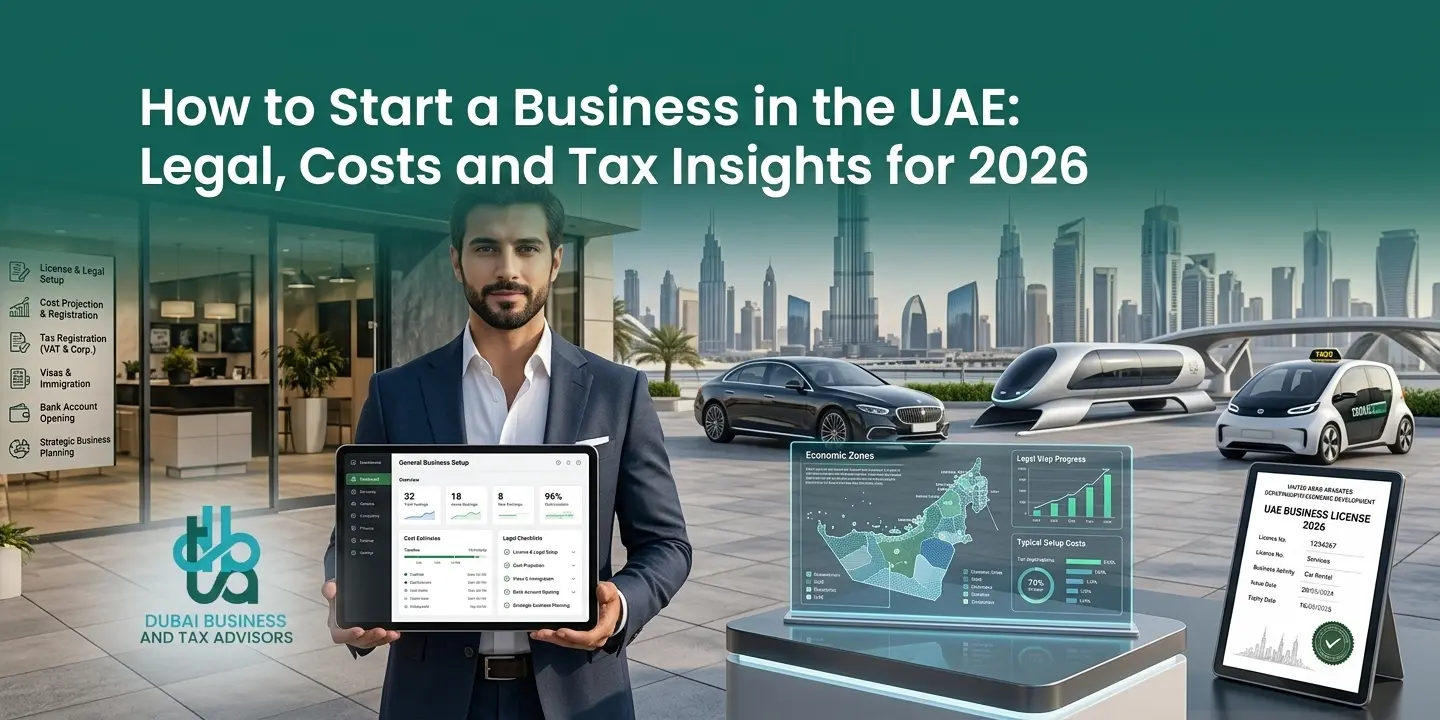
Table of Contents
Few places have changed as fast as the UAE. It once ran on oil. Now it runs on startups, money, and new ideas from around the world. Sitting between Europe, Asia, and Africa helps. But that is not the main reason founders come here. The UAE has made it easy to start and grow a company.
Starting a business in the UAE takes more than excitement. You need to know the rules. You need to know the real costs. You need to know which taxes apply to you. In 2026, the country’s economy relies more on new ideas and outside investment than on oil. Friendly policies now draw in founders from across the world who want to build something here.
Why Entrepreneurs Choose the UAE
The UAE did not become a business hub overnight. It took years of steady change. It took rules that Favor investors. It took heavy spending on tech and infrastructure.
Heading into 2026, the country keeps moving forward. This is not just true for tall buildings and trade. It is true for how easy it now is to start a business.
Walk through Dubai or Abu Dhabi and you will see an economy that goes well past oil. Shipping, digital finance, clean energy, tourism, and health care now drive most of the growth. These non-oil sectors make up most of the GDP. That shows the UAE’s plan to grow beyond oil has worked.
Foreign investors have noticed this shift. The UAE ranks among the top spots in the world for direct investment. It offers steady rules. It offers a clear path to profit.
For many founders, the UAE is not just a place with friendly taxes. It is a launch pad into the wider region.
A Regulatory Climate Built on Trust
Starting a business in the UAE feels nothing like it used to. There are fewer forms to fill out. You can process most steps online. Approvals move faster now. One-stop shops help founders get permits within days in many cases.
Launching a venture here is easier than it has ever been.
The Central Bank has also moved fast. It now oversees new sectors like fintech, digital money, and open banking. This shows where the UAE wants to lead next. It wants to lead in tech-driven finance.
Do you plan to start an online or money-related business? Keep an eye on these rules. They keep shifting, and staying current really matters.
How to Start a Business in the UAE Step-by-Step Setup Process
A clear plan cuts down on delays. It also keeps you compliant from day one. Here is a simple checklist for foreign founders who want to set up in the UAE.
Step 1: Define your activity and legal form
First, decide what your business will do. Then pick your structure. This could be an LLC, a sole business, or a corporation.
Licenses come in three main types. A commercial license covers trading, import, and export. A professional license covers services and consulting. An industrial license covers making and producing goods.
Some fields need extra approval. Finance, health care, and energy fall into this group. You must get this extra approval before you receive your license.
Step 2: Choose your location, free zone or mainland
This choice matters a lot. It shapes your market access. It shapes your ownership rights. It shapes your tax exposure too.
Is your business global or online? A free zone setup gives you full ownership. It also gives you simpler steps to follow. Do you want to reach local UAE customers instead? Mainland setup lets you trade freely across all seven emirates.
Step 3: Reserve your trade name and get early approval
Once you pick a location, choose a business name. It must follow UAE naming rules. Then get early clearance. This comes from the Department of Economic Development, or from your chosen free zone office.
Step 4: Finish your license and lease
After approval, you finish your Memorandum of Association. You also secure office space.
Mainland companies need a real office. This comes with an Ejari lease contract. It makes up a large share of your total setup cost. Free zones tend to allow more flexible choices. These include virtual offices and shared workspaces.
Step 5: Handle visas and banking
Finally, you apply for visas. You also open a business bank account. This step needs your incorporation papers. It also needs shareholder passports and bank statements.
Licensing moves fast. But visa work and bank checks can still add several weeks to your timeline.
Free Zone or Mainland, Which Fits Your Business
Mainland Company and Full Foreign Ownership
New rules now allow full foreign ownership. This covers more than 1,000 business activities. Most of these no longer need a local sponsor. The biggest plus of a mainland company is simple. You get open access to the whole UAE market.
The Free Zone Advantage
Free zones offer full foreign ownership. They also let you send profits home freely. They come with lower running costs too. There is one trade-off, though. Your business often stays limited to the free zone or foreign markets. Want to trade onshore as well? You may need a second license for that.
Some companies can become a Qualifying Free Zone Person. If they meet certain rules on substance and income, they can enjoy a 0% tax rate.

UAE Corporate Tax, VAT and Compliance in 2026
Federal Corporate Tax changed the money landscape for UAE businesses. Knowing today’s rules still matters just as much in 2026 as it did on day one.
The 0% and 9% Structure
The system helps small and medium businesses in a simple way. There is a 0% rate on taxable profit up to AED 375,000. There is a 9% rate on anything above that amount. This keeps the tax load light for startups and small firms, though it’s worth confirming your position with a proper corporate tax review.
Small Business Relief, and Its Coming Deadline
Small Business Relief helps eligible resident businesses too. Is your revenue AED 3 million or less? Then you can choose to be treated as having zero taxable income for that period. In plain terms, that means you pay no corporate tax at all.
This relief will not last forever, though. It only covers tax periods ending on or before 31 December 2026. The Ministry of Finance has not announced any extension so far.
Does your business rely on this relief today? Start planning now. From 2027, you may need to move into the standard 9% system.
One more thing to note. This relief does not apply to Qualifying Free Zone Persons. It also does not apply to members of large global groups. This is true if their worldwide revenue tops AED 3.15 billion.
Keeping Your Qualifying Free Zone Status
Have you set up in a free zone? Then protecting your Qualifying Free Zone Person status matters a lot. Your company must meet substance rules. It must also earn qualifying income from free zone or cross-border work.
Non-qualifying income above a set limit can cause problems. It can trigger the standard 9% tax on your full income. A breach can even cost you your QFZP status. You could lose it for the current year, plus the next four years too.
Filing Deadlines and VAT
Businesses must file their Corporate Tax return within nine months of their year-end. Say your company’s year ends on 31 December. Then you must file by 30 September of the next year.
You must also sign up for VAT once your yearly taxable sales pass AED 375,000. The standard VAT rate stays at 5%.
What It Actually Costs to Set Up
Total setup cost covers your license, your office space, your visas, and your ongoing compliance work. Many founders find that first-year costs run higher than later years. This happens because one-off fees only apply at the start.
Mainland setup costs typically break down into a few parts. Licensing and registration run around AED 15,000 to 45,000. Office space through Ejari runs around AED 20,000 to 60,000 a year. Trade name approval costs around AED 1,000.
Free zone setup costs tend to run lower. You are usually looking at AED 12,000 to 25,000. A virtual office can cut this cost even further.
Annual renewals cost about AED 8,000 to 15,000 for mainland companies. Free zone companies pay about AED 10,000 to 20,000 a year.
Visa packages usually run AED 3,000 to 7,000 per person. Opening a business bank account often needs a minimum balance. This commonly sits between AED 50,000 and 500,000, depending on the bank.
Keeping that balance matters. Fall below it, and you may face fees or limits on your account.

Visa Options for Founders and Their Teams
The UAE offers flexible stay options for investors and their teams.
A regular work or investment visa usually lasts two to three years. Your employer or company sponsors this visa. There is also a business exploration visa. This lets foreign founders scope out chances before they commit to a full setup.
Some founders invest AED 2 million or more. Others launch a new business worth over AED 500,000. Either group may be able to get a 10-year Golden Visa.
This visa gives founders a long-term base. At the same time, it makes it easier to bring in talent from abroad.
Challenges and Opportunities Worth Knowing
The UAE’s fast-moving market brings real chances. It also brings a few practical hurdles. These are worth planning for early.
Sectors Worth Watching
Fields like AI, fintech, clean energy, and logistics are growing fast. Government support helps a lot. So do dedicate free zones and active funding. Launching a venture in these fields makes strong sense right now.
The Banking Hurdle
Opening a business bank account is often the slowest part of the whole process. Banks run strict checks. They check your ownership setup. They check proof of income. They check your office setup too.
Because of this, banking can take longer than getting your license itself.
Competition and Skills
Strong buying power in the UAE draws serious competition. So small businesses need to invest in what makes them stand out. They also need to invest in hiring skilled people.
General labour is easy to find. Skilled talent is a different story. Demand for it stays high. The UAE’s flexible visa system helps here. It lets founders bring in the right people from anywhere in the world.
How Working with Advisors Helps
Starting a Business in the UAE touches many things at once. It touches legal structure, licenses, tax, banking, and immigration. A good advisor brings all these pieces together. That way, nothing slips through the cracks.
This usually covers a few key jobs. Advisors help you choose between a free zone and mainland setup. They base this on your ownership goals and market needs. They handle trade name work and license issuing from start to finish. They guide you through tax registration, VAT, and the real work of opening a bank account.
Good planning also means honest cost estimates. This covers licenses, visas, and renewals. It often includes help with investor and staff visa applications, including Golden Visa checks.
Good advisors do not vanish once your license is issued. Ongoing accounting, tax filing, and compliance support matter just as much in year two and beyond as they did on day one.
Frequently Asked Questions
First, choose your business activity. Then pick between a free zone or mainland setup and reserve your trade name. Next, send in your license application and prepare your legal papers. After that, open a business bank account. Once your license comes through, you can apply for the right visa and start work.
Costs shift based on location, license type, and visa needs. A mainland company usually runs AED 15,000 to 45,000. A free zone setup can start as low as AED 12,000. On top of that, budget for visa work, lease costs, and your bank deposit.
It really depends on your field. Dubai Internet City suits tech and new-idea businesses well. Dubai Multi Commodities Centre works better for trading and finance. A free zone setup gives you full ownership. It also gives you simpler licensing and 0% tax on qualifying income. It helps to talk with a setup expert. They can match your activity to the right zone.
Yes, you can. You register through the right government site or your chosen free zone’s website. This means you pick your activity, upload documents, reserve your trade name, and pay fees online. Once approved, your license comes out electronically.
Yes, and with full ownership rights too. There is very little red tape. The UAE allows 100% foreign ownership in most fields, through mainland or free zone setup. UK founders also get the benefit of double-tax treatment and clear visa rules. This makes a move into the Gulf simple.
You need a valid trade license. You need an approved business name and a real office address. You also need notarized papers, such as your Memorandum of Association. Some fields need extra approvals on top of this. You will also need to sign up for corporate tax, open a bank account, and meet visa and residency rules.
New businesses get a 0% tax rate on profit up to AED 375,000. Above that, a 9% rate kicks in. Startups under AED 3 million in revenue may qualify for Small Business Relief right now. Keep in mind, though, that this benefit ends for tax periods after 31 December 2026. Free zone companies can keep a 0% rate on qualifying income. They just need to meet substance rules.
Bringing It All Together
Starting a business in the UAE still offers real chances in 2026. But it takes a clear grip on the setup steps, the tax rules, and the true cost involved.
Choosing the right location early shapes everything that follows. This holds true whether you go free zone or mainland. Your choice affects ownership, market access, and your tax standing down the line.
Success here comes down to good planning, not luck. Get your structure right. Stay on top of your deadlines. Build in enough time for banking and visa work. With the right groundwork, the UAE stays one of the simplest places in the world to launch and grow a business.
Ready to set up your UAE company?
DBTA’s ACCA-qualified advisors handle jurisdiction selection, licensing, visas, banking introductions, and ongoing tax compliance, all under one roof. Contact DBTA today for a consultation, to get started.
Latest news & articles
About the Author:
AURANGZAIB CHAWLA
As CEO of DBTA, Aurangzaib Chawla advises globally mobile businesses and individuals on cross-border tax planning and structuring. With expertise spanning the UK, UAE, and wider GCC, Zaib helps clients minimise double taxation, protect assets, and achieve long-term financial efficiency while staying fully compliant.
Planning to launch in Dubai or the UAE?
Let’s talk about how to structure your business for growth the smart, compliant, and tax-efficient way

About the Author:
AURANGZAIB CHAWLA
As CEO of DBTA, Aurangzaib Chawla advises globally mobile businesses and individuals on cross-border tax planning and structuring. With expertise spanning the UK, UAE, and wider GCC, Zaib helps clients minimise double taxation, protect assets, and achieve long-term financial efficiency while staying fully compliant.
Planning to launch in Dubai or the UAE?
Let’s talk about how to structure your business for growth the smart, compliant, and tax-efficient way
About the Author:
AURANGZAIB CHAWLA
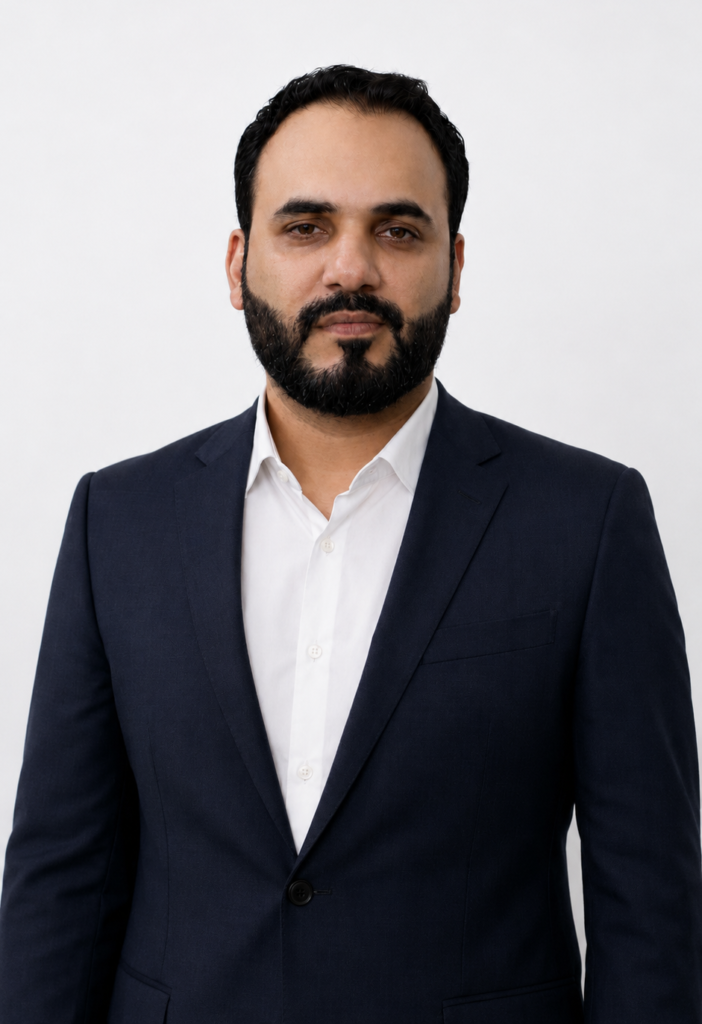
As CEO of DBTA, Aurangzaib Chawla advises globally mobile businesses
and individuals on cross-border tax planning and structuring. With expertise spanning the UK, UAE, and wider GCC, Zaib helps clients minimise double taxation, protect assets, and achieve long-term financial efficiency while staying fully compliant.
Planning to launch in Dubai or the UAE?
Let’s talk about how to structure your business for growth the smart, compliant, and tax-efficient way.
Connect with Reliable Dubai Business Consultants
Get in Touch