
How to Set Up a Cryptocurrency Company in Dubai: Complete Guide

Recent Insights

Table of Contents
In recent years, Dubai has become one of the world’s most active crypto and blockchain hubs. Low taxes, modern infrastructure, and a fast-growing business community make it an appealing base for founders in this space.
But the rules around crypto are still developing. Getting the setup process right takes some care. This guide walks you through why Dubai works so well for crypto companies. It also covers the real challenges you’ll face and the steps to get your business up and running.
Why Register a Crypto Business in Dubai
Dubai offers several free zones built for digital asset businesses. These include the Dubai Multi Commodities Centre (DMCC) and the Dubai International Financial Centre (DIFC). Here’s what makes the city stand out.
Low corporate tax: The UAE brought in a 9% corporate tax in 2023. It only applies to mainland businesses earning more than AED 375,000 a year. If you set up in a qualifying free zone like DMCC, you can still enjoy a 0% rate. You just need to meet substance rules and avoid doing most of your business with mainland UAE companies.
No fixed minimum investment: Many countries force you to put down a large, fixed sum of capital just to open your doors. The UAE doesn’t work that way.
Residency visas included: Once you license your company, you and your team can apply for UAE residency visas. This makes it much easier to live and work where your business is based.
A strong crypto community: DMCC alone is now home to more than 650 crypto companies. Most of them sit at the DMCC Crypto Centre in Uptown Tower, Jumeirah Lake Towers. That’s a lot of potential partners, clients, and talent in one place.
A useful location: Dubai sits between major markets in Europe, Asia, and Africa. This makes it a practical hub if you plan to serve clients across regions.

Key Challenges to Plan For
Dubai is a genuinely good place to build a crypto company. But it isn’t without friction. Here are the main hurdles founders run into.
Regulation Takes Homework
The Virtual Assets Regulatory Authority, known as VARA, handles most crypto regulation in the UAE. If your business only builds blockchain tools or offers consulting, you likely won’t need VARA approval at all.
But say you plan to run an exchange, hold client funds, offer custody services, or provide brokerage. Then VARA authorisation becomes mandatory. A DMCC trade license on its own doesn’t give you the right to carry out these regulated activities.
So, before you apply for anything, map out exactly which activities your business will offer. It saves a lot of headaches later.
Setup Costs Vary Widely
There’s no single number here. A straightforward DMCC or IFZA license for trading, consulting, or blockchain development can start from around AED 30,000.
A full VARA-regulated license costs a lot more. That’s because it comes with audits, technology reviews, and ongoing compliance reporting.
Fees and capital requirements change often too. So, check the current numbers directly with the free zone or VARA before you commit to anything.
Banking Is Still the Hardest Part
This is the one that catches most founders off guard. Even with a valid crypto license, many local banks stay cautious about opening accounts for businesses that deal in digital assets.
It’s not impossible though. It’s a bit easier than in many other countries. Banks will want to see a proper compliance framework. They’ll also want clear proof of your source of funds and a solid picture of who your customers are and how much money you expect to move through the account.
Some founders turn to virtual banking options instead. Others partner with international banks that already have experience with crypto clients.
Paperwork Has to Be Right the First Time
Your license application only moves forward once your documents are complete and accurate. A missing signature or an unclear business plan can hold things up for weeks.
Getting this right the first time saves a lot of frustration later.
How to Start a Crypto Business in Dubai
Here’s a practical walk through of the process, step by step.
- Pick the right free zone: DMCC and DIFC both offer crypto licenses, but they suit different kinds of businesses. DMCC tends to work well for trading and blockchain technology companies. It offers a fast, well-established setup process in Jumeirah Lake Towers. DIFC is generally a better fit for larger financial services businesses. Think about your activity type, your growth plans, and your budget before you choose.
- Confirm your regulatory path: Before you apply for anything, work out whether your planned activities need VARA approval. Non-client-facing work like software development or blockchain consulting usually doesn’t need it. Anything involving trading, custody, brokerage, or public exchanges almost always does.
- Apply for your license: You’ll need documents such as your Articles of Association, passport copies for all shareholders and directors, and a detailed business plan covering your target markets and revenue model. Depending on the free zone, you may choose between a Cryptocurrency Trading license or a Distributed Registry Technology license. Make sure the one you pick matches what your business will do.
- Sort out your banking: Start this conversation early, not after your license comes through. Prepare a clear compliance framework. Know your source of funds and be ready to explain your customer base in detail. This step alone can take longer than the licensing itself, so build in extra time.
- Apply for residency visas: Once licensed, you can sponsor visas for yourself and your team. These typically run for one to three years and need renewing periodically.
- Get involved in the local crypto community: DMCC’s Crypto Centre and DIFC both host a steady stream of events, meetups, and industry connections. Being active here genuinely helps with partnerships, hiring, and staying on top of regulatory changes as they happen.
What to Watch in 2026
The regulatory picture keeps moving. VARA continues to update its rules around investor protection, market integrity, and anti-money laundering compliance.
Right now, there’s no separate crypto specific tax on top of standard corporate tax rules. That could shift as the framework matures though.
Staying close to VARA’s public updates is one of the smartest things a crypto founder can do this year. So is keeping a relationship with an advisor who tracks these changes closely.
Getting the Right Support
Setting up a crypto company in Dubai involves real opportunity alongside real complexity. The tax environment is genuinely attractive. The community is active and growing, and the location works well for global operations.
At the same time, regulatory scoping, banking, and paperwork are areas where small mistakes can cause real delays.
Working with an advisor who understands both the DMCC and VARA sides of the process, and who can manage your trade license application from start to finish, makes the whole journey a lot smoother. The same goes for one who keeps up with the current banking landscape.
Planning to launch a crypto business in Dubai? DBTA’s advisors can help you scope your regulatory path, choose between DMCC and DIFC, and prepare a banking-ready compliance file before you apply. Contact DBTA today for a consultation to get started.
Latest news & articles
About the Author:
AURANGZAIB CHAWLA
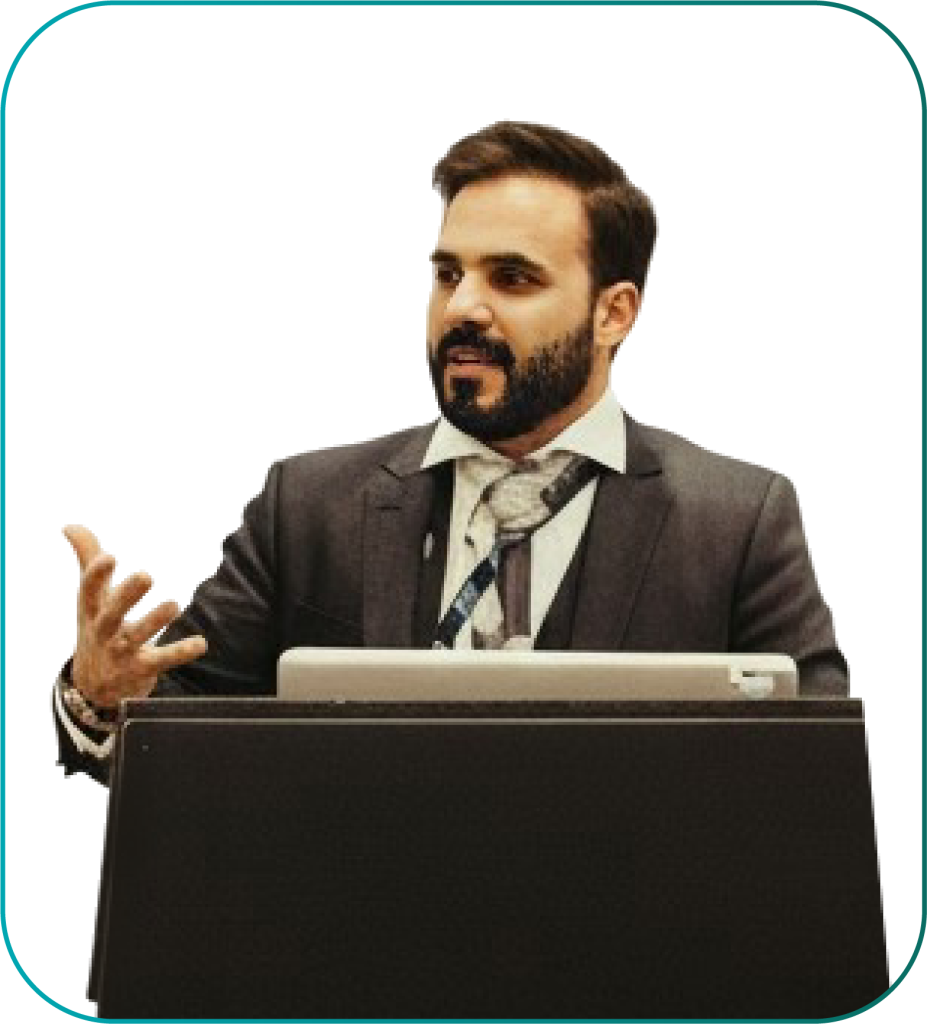
As CEO of DBTA, Aurangzaib Chawla advises globally mobile businesses and individuals on cross-border tax planning and structuring. With expertise spanning the UK, UAE, and wider GCC, Zaib helps clients minimise double taxation, protect assets, and achieve long-term financial efficiency while staying fully compliant.
Planning to launch in Dubai or the UAE?
Let’s talk about how to structure your business for growth the smart, compliant, and tax-efficient way
About the Author:
AURANGZAIB CHAWLA
As CEO of DBTA, Aurangzaib Chawla advises globally mobile businesses and individuals on cross-border tax planning and structuring. With expertise spanning the UK, UAE, and wider GCC, Zaib helps clients minimise double taxation, protect assets, and achieve long-term financial efficiency while staying fully compliant.
Planning to launch in Dubai or the UAE?
Let’s talk about how to structure your business for growth the smart, compliant, and tax-efficient way
About the Author:
AURANGZAIB CHAWLA
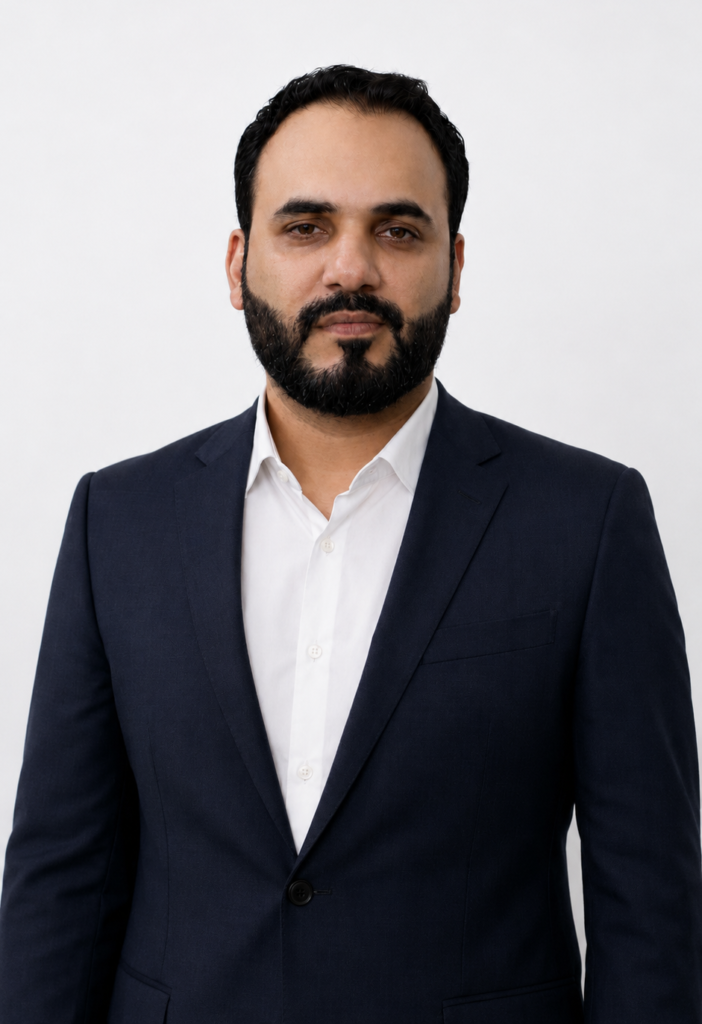
As CEO of DBTA, Aurangzaib Chawla advises globally mobile businesses
and individuals on cross-border tax planning and structuring. With expertise spanning the UK, UAE, and wider GCC, Zaib helps clients minimise double taxation, protect assets, and achieve long-term financial efficiency while staying fully compliant.
Planning to launch in Dubai or the UAE?
Let’s talk about how to structure your business for growth the smart, compliant, and tax-efficient way.
Connect with Reliable Dubai Business Consultants
Get in Touch