
Free Zone vs. Mainland Company in the UAE: Key Differences Explained

Recent Insights
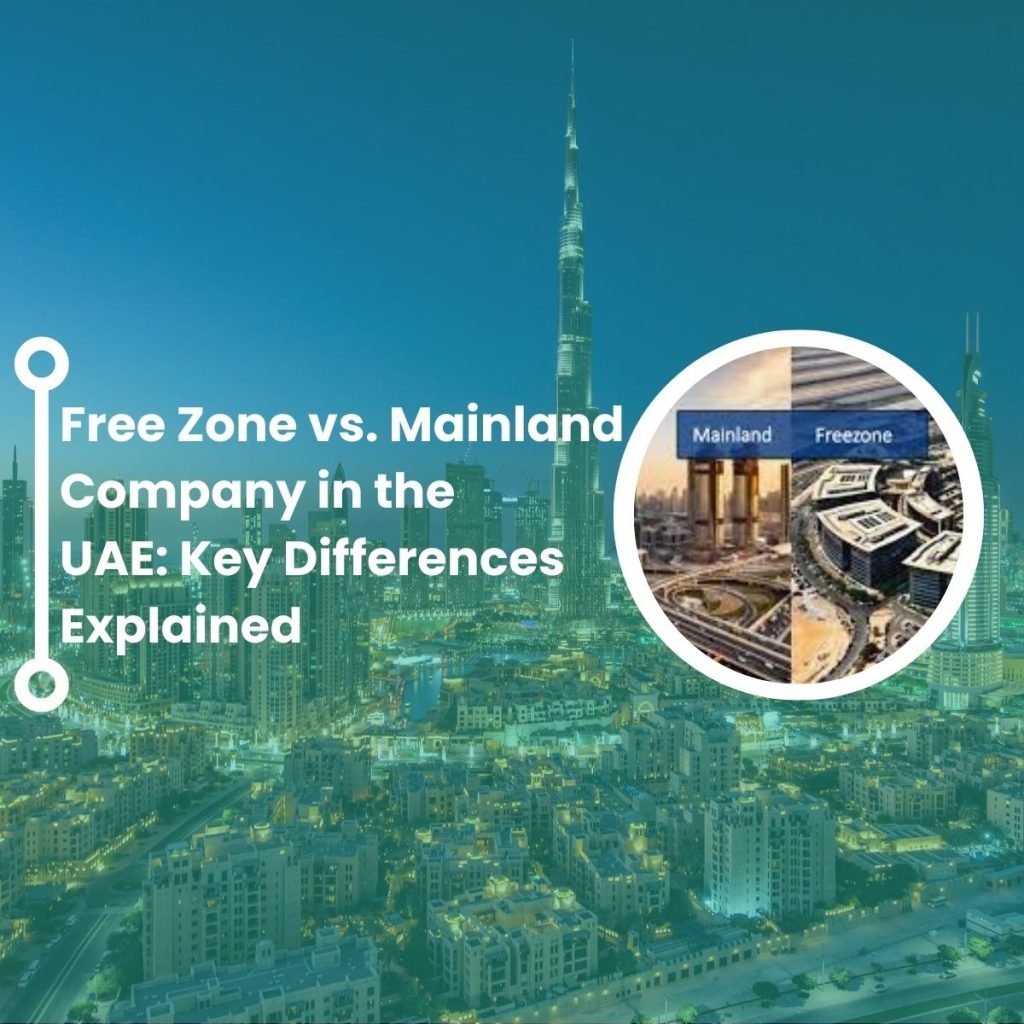
Starting a company in the UAE is one of the smartest moves a global entrepreneur can make. The market is open. The rules are clear. And the government keeps making it easier for outsiders to set up shop.
But before you register anything, you need to answer one big question. Should you set up on the mainland or in a free zone?
This choice shapes almost everything that comes next. It affects who owns your company, where you can sell, how much you pay, and what rules you must follow. Get it right and your business runs smoothly from day one. Get it wrong and you may face delays, extra costs, or limits you did not see coming.
Dubai alone offers dozens of free zones. You can also register directly on the mainland through each emirate’s economic department. Each path suits different goals, so the right pick really comes down to what you want your business to do.
This guide walks you through the real differences between free zone and mainland companies. We will cover ownership, tax, cost, and where you can actually do business. We will also look at how the rules have shifted heading into 2026, so you are working with current facts, not old advice.
What Is a Mainland Company in the UAE
A mainland company is a business registered with the Department of Economic Development, or DED, in one of the UAE’s seven emirates. Mainland companies can trade anywhere in the country. There are no zone borders to worry about.
This means you can sell directly to any customer in the UAE. You can also work with government departments and bid on public contracts. If your goal is to serve the local market at full scale, mainland is usually the stronger fit.
Why Business Owners Choose Mainland
Open market access. A mainland licence lets you trade with anyone in the UAE, including government bodies. This matters a lot if local sales or public contracts are part of your plan.
Full foreign ownership in most sectors. Since 2021, the UAE has allowed 100 percent foreign ownership for most mainland business activities. The old rule needed a UAE national to hold 51 percent of the company. That rule is gone now for most sectors. This one change made mainland setup far more appealing to outside investors.
A wide range of activities. Mainland licences cover almost every industry you can think of. That includes retail, consulting, construction, and manufacturing.
A real office is required. The DED requires mainland businesses to hold physical office space. The size depends on your licence and your activity.
Higher visa allowances. Mainland companies generally get more visa slots than free zone companies. This helps if you plan to grow your team quickly.
Access to government contracts. Only mainland companies can bid for government tenders. If your firm wants this kind of work, mainland is the only route open to you.
What Is a Free Zone Company in the UAE
A free zone company is registered inside one of the UAE’s many designated economic zones. Dubai alone hosts more than 30 of these zones. Each one is built around a specific industry, like media, tech, finance, or logistics.
Free zones were created to pull in foreign investment. They do this by offering tax perks, full ownership, and lighter red tape.
The Upside of Setting Up in a Free Zone
Full foreign ownership, no exceptions. Free zones have always allowed 100 percent foreign ownership. You never needed a local partner here, even before the 2021 mainland reforms.
Real tax advantages, with conditions. Free zone companies can still get a 0 percent corporate tax rate. But this only applies to what the law calls qualifying income. You also need to meet the conditions to count as a Qualifying Free Zone Person. Income outside those conditions, including most income earned from mainland clients, gets taxed at the standard 9 percent rate. This is a real benefit. But it depends on how your business is set up and where your money comes from. It is worth getting proper advice before you assume you qualify.
A quicker, simpler setup. Registration, licensing, and visas tend to move faster in free zones. There is less paperwork than mainland setup.
Flexible office choices. You can pick a virtual office, a shared desk, a warehouse, or a full private office. Just choose what fits your size and budget.
Built for specific industries. Many zones focus on one sector. This gives you infrastructure and a network of similar businesses close by.
Limited market reach. Here is the trade-off. Free zone companies mostly operate within their zone or sell internationally. To sell directly into the UAE mainland, you need a local distributor or agent.

Ownership Rules Have Changed a Lot
For years, foreign investors had to give up 51 percent of their mainland company to a UAE national. This limited control and cut into profit sharing. It was one of the main reasons people leaned toward free zones instead.
That changed in 2021. Most mainland business activities now allow full foreign ownership. No local sponsor is needed. This one reform closed much of the gap between mainland and free zone setup.
A few sensitive sectors still need a local partner or service agent. This includes oil and gas, banking, and some professional services. If you are not sure whether your activity falls into this group, it is worth checking before you commit to a structure.
Where Can You Actually Do Business
Your choice should match where you plan to sell and who you plan to serve.
A mainland company lets you trade across every emirate. You can deal directly with government clients and bid on public sector contracts. If most of your customers are inside the UAE, this is usually the better fit.
A free zone company works best if your business is built around international trade. It also suits industries like tech or media that get strong free zone support. You can still sell into the UAE mainland. But you will need a local distributor, an agent, or a mainland branch to do it properly.
Licensing Bodies and Where the Rules Come From
Mainland companies fall under the Department of Economic Development in whichever emirate they register in. They follow standard UAE commercial law, and setting up correctly usually starts with a properly managed trade licence application.
Free zones run their own show. Each one has its own regulator and its own licensing process. They often move faster than mainland setup too.
Office Space and Visa Allowances
Mainland companies must lease a physical office that meets DED size requirements. This usually costs more.
Free zones give you more room to choose. You can pick anything from a virtual address to a full private office. This works well for smaller teams and startups.
On visas, mainland companies typically get a larger quota. This helps if you are planning to hire at scale. Free zone visa allowances vary a lot. It depends on the zone, and the licence type you hold.
What Setup Actually Costs
| Cost Item | Mainland (AED) | Free Zone (AED) |
|---|---|---|
| Business registration | 10,000 to 20,000 | 7,000 to 15,000 |
| Annual office rent | 20,000 to 50,000+ | 10,000 to 30,000 |
| Local sponsor fees | Applies in some sectors | Not applicable |
| Visa fees, per visa | 5,000 to 7,000 | 4,000 to 6,000 |
| Trade licence | 10,000 to 25,000 | 7,000 to 20,000 |
| PRO and legal fees | 5,000 to 10,000 | 3,000 to 7,000 |
These figures shift depending on the emirate, your activity, and the size of office you pick. Treat them as a starting range, not a fixed quote.
The Trade Offs of a Free Zone Setup
What works in your favour. Full ownership with no local partner. Real tax savings on qualifying income. Lower setup and running costs. Zones built around your specific industry, with the infrastructure to match.
What to watch out for. No direct mainland trading. Some zones restrict which activities you can run. Visa quotas can be tighter. Reaching mainland customers means extra cost and extra paperwork.
How Tax Works for Each Setup
The UAE’s tax system is competitive. But the details matter, so let’s break them down.
Every taxable business pays 0 percent on the first AED 375,000 of taxable income. Anything above that gets taxed at 9 percent under corporate tax rules. This applies across mainland and free zone companies alike, under the federal corporate tax law.
Free zone companies can still reach 0 percent on qualifying income. But only if they meet the conditions to count as a Qualifying Free Zone Person. Getting this status wrong, or losing track of it, can mean an unexpected tax bill. So, this needs proper ongoing review, not just a one-time check at setup.
VAT sits at 5 percent. It applies the same way to every company, mainland or free zone. If you also have tax duties in another country, double tax treaties and residency rules can affect your overall position. This is an area where getting advice early really can save you money later.
How Dubai Business and Tax Advisors Can Help
Choosing between mainland and free zone is a strategic call, not just a paperwork exercise. Here is how we support that decision.
Tailored advice. We look at your industry, your business model, and your goals before we recommend a structure.
Mainland setup handled end to end. We manage the paperwork, licensing, office setup, and compliance. This helps you get operational fast.
Free zone setup, matched to your needs. We help you pick the right zone. Then we handle licensing, office leasing, and visas around your budget and goals.
Tax and compliance support. We help you make sense of corporate tax, VAT, and QFZP conditions. This keeps your structure compliant and efficient.
Visa and PRO services. Our team handles visa processing, renewals, and government liaison work. You do not have to deal with it yourself.
Cost control. We aim to keep both your upfront and ongoing costs as lean as they can be.
FAQs
A free zone is a designated economic area built to attract foreign investment. Free zone companies can have full foreign ownership. They may also qualify for 0 percent tax on qualifying income, and setup tends to be simpler. Many zones focus on a specific industry, like media or logistics, and offer infrastructure built around it. The main limit is that free zone companies generally cannot trade directly into the UAE mainland without a local distributor or agent.
Yes, for most sectors. Since 2021, mainland companies in most commercial and industrial activities can be fully foreign owned. No local sponsor is required. A small number of sensitive sectors still need a UAE national partner or service agent. This includes oil and gas, banking, and certain professional services. If you are not sure where your activity falls, it is worth checking before you register.
Mainland companies are licensed by the Department of Economic Development in their home emirate. This licence allows trade anywhere in the UAE, including with the government. Free zone companies are licensed by their specific zone authority instead. Their licence covers activity within the zone and internationally. To reach mainland customers, a free zone company needs a local distributor or a separate mainland branch.
Mainland companies must lease physical office space that meets DED rules. The required size is tied to the business activity. This adds to setup cost, but it gives you a real presence in the market. Free zones are more flexible. Many offer virtual offices or shared workspace, which suits startups looking to keep overhead low.
No. Free zone companies are limited to their zone and international markets. To sell into the mainland, they need a local distributor, an agent, or a mainland branch. All of these add cost and paperwork. This is one of the biggest factors to weigh when picking a structure.
It depends on where your customers are. If you are targeting international markets or working in a sector with strong free zone support like tech or media, a free zone gives you a faster, cheaper start with full ownership. If your focus is the local UAE market, government contracts, or hiring a bigger team, mainland is the stronger choice. It offers open market access and a higher visa quota.
Final Thoughts
Picking between mainland and free zone shapes how your business grows in the UAE. Mainland gives you full access to the local market. And since 2021, it offers full foreign ownership in most sectors too. Free zones offer real tax advantages, complete ownership, and a faster setup. In exchange, you get some limits on direct mainland trade.
Think through your goals, your ownership preferences, your target market, and your budget before you decide. And if you want a second opinion from people who deal with this every day, Dubai Business and Tax Advisors can help you land on the structure that fits your business.
Still weighing mainland against free zone? DBTA’s ACCA-qualified advisors will map your activity, market, and tax position against both structures, so you land on the one that fits your business. Contact DBTA today for a consultation, to get started.
Latest news & articles
About the Author:
AURANGZAIB CHAWLA
As CEO of DBTA, Aurangzaib Chawla advises globally mobile businesses and individuals on cross-border tax planning and structuring. With expertise spanning the UK, UAE, and wider GCC, Zaib helps clients minimise double taxation, protect assets, and achieve long-term financial efficiency while staying fully compliant.
Planning to launch in Dubai or the UAE?
Let’s talk about how to structure your business for growth the smart, compliant, and tax-efficient way

About the Author:
AURANGZAIB CHAWLA
As CEO of DBTA, Aurangzaib Chawla advises globally mobile businesses and individuals on cross-border tax planning and structuring. With expertise spanning the UK, UAE, and wider GCC, Zaib helps clients minimise double taxation, protect assets, and achieve long-term financial efficiency while staying fully compliant.
Planning to launch in Dubai or the UAE?
Let’s talk about how to structure your business for growth the smart, compliant, and tax-efficient way
About the Author:
AURANGZAIB CHAWLA
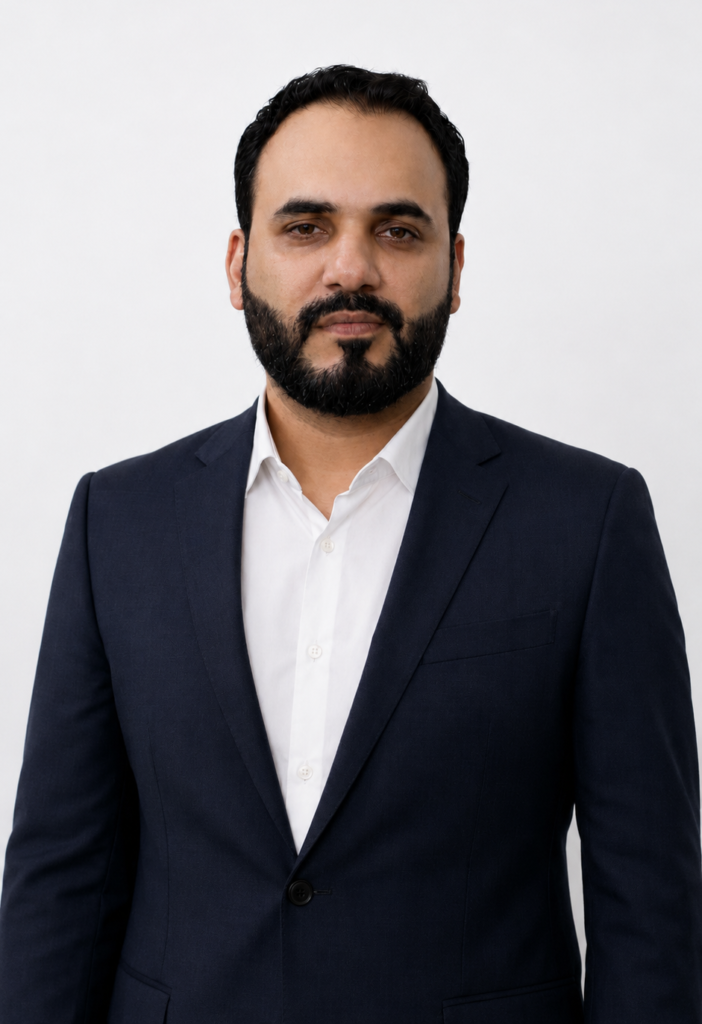
As CEO of DBTA, Aurangzaib Chawla advises globally mobile businesses
and individuals on cross-border tax planning and structuring. With expertise spanning the UK, UAE, and wider GCC, Zaib helps clients minimise double taxation, protect assets, and achieve long-term financial efficiency while staying fully compliant.
Planning to launch in Dubai or the UAE?
Let’s talk about how to structure your business for growth the smart, compliant, and tax-efficient way.
Connect with Reliable Dubai Business Consultants
Get in Touch