
Step-by-Step Guide for Amazon and Online Entrepreneurs in Dubai

Recent Insights
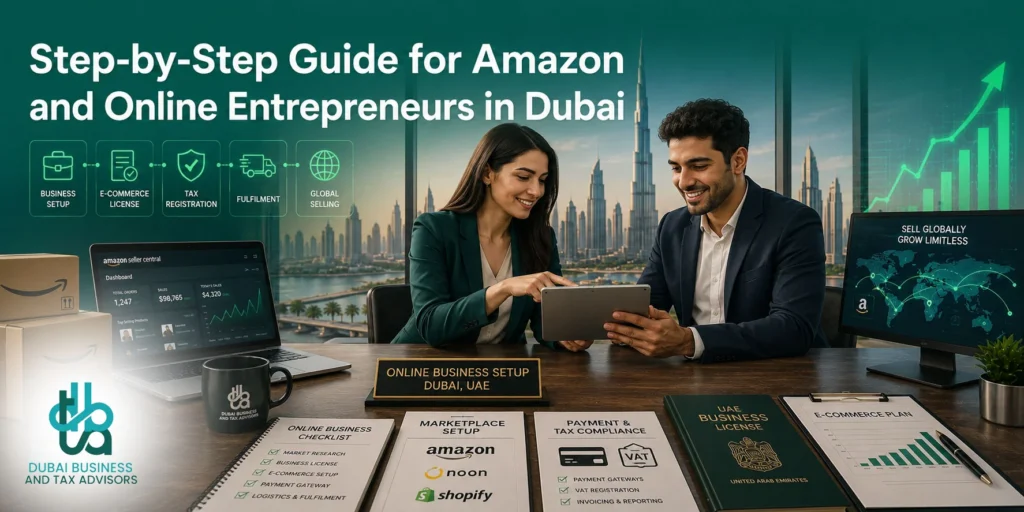
Dubai is now one of the easiest places in the world to start an online business. Low tax rates, fast company registration, and strong logistics links make it a smart base for Amazon sellers and other e-commerce entrepreneurs.
This guide walks you through the key decisions you need to make. It also covers the rules you need to know before you start.
Why Dubai Works Well for Online Sellers
Dubai sits at the crossroads of Europe, Asia, and Africa. This makes shipping and fulfilment simple.
The city has poured resources into ports, airports, and free zones built for trade and logistics. For Amazon sellers, this means faster access to Gulf customers. It also means easier import routes for stock.
Add in low taxes and a simple setup process. It is easy to see why so many online entrepreneurs choose Dubai as their base.
Free Zone or Mainland, Which Should You Pick
Your first big decision is where to register your business. You can choose a Free Zone or go with a Mainland setup. Each option comes with its own trade offs.
Free Zones suit sellers who want flexibility and lower running costs early on. You get full ownership of your business. You also get easy access to logistics partners and simple remote operations.
The catch is that Free Zones can cost more as you grow. This is especially true once you need more office space or extra visas.
Mainland setups give you wider reach. You can trade with local and international clients without restriction. This works well if you plan to scale quickly. Mainland registration usually takes two to five working days.
Still deciding? Think about where most of your customers are. If you sell mainly through Amazon’s international marketplaces, a Free Zone often works better. If you sell directly to UAE customers, Mainland is usually the better fit.

How Long Registration Actually Takes
Setting up in Dubai is fast, and that is one reason people love it. Mainland registration usually takes two to five working days once your trade license documents are ready.
Free Zone registration timelines vary more. They can take anywhere from a single working day to a few weeks. It depends on the zone and how complete your paperwork is.
Want things to move faster? Work with an experienced advisor and have your documents ready upfront. This speeds things up a lot.
Using Free Zones to Run E-commerce Smoothly
Free Zones were built with businesses like yours in mind. You can manage operations remotely. You can work with local warehouses and connect with fulfilment partners. On top of that, you trade tax free within the zone.
This setup makes day to day logistics easier. It also helps you serve both UAE customers and buyers overseas without added friction.
Getting Your Tax Compliance Right
The UAE brought in federal corporate tax in June 2023. Every company earning income in the UAE must register for corporate tax. This applies even if the company is not yet profitable.
The standard rate is 9% on taxable profit above AED 375,000. Profit below that amount is taxed at 0%.
There is also a temporary relief for smaller businesses. If your annual revenue is AED 3 million or less, you can elect Small Business Relief. This lets you pay zero corporate tax for that period.
This relief is not automatic. You must actively choose it when you file your return. It also only applies to tax periods ending on or before 31 December 2026. After that date, the standard rates apply to everyone, no matter the size of the business.
On top of corporate tax, the UAE charges 5% VAT on most goods and services. E-commerce sellers need to register for VAT once they cross the mandatory turnover threshold. You then need to file returns accurately to avoid penalties.
Getting VAT filing wrong is one of the most common mistakes new sellers make. It can also be one of the most costly.
Why So Many Entrepreneurs Choose Dubai
Low tax rates. A 9% corporate tax rate is far lower than what many entrepreneurs pay elsewhere. Profits under AED 375,000 are taxed at 0%. That difference adds up fast as your business grows.
Access to global markets. Dubai gives you a strong base for trading across the Gulf region. Many online sellers also use it as a gateway into Saudi Arabia. Setting up directly in Saudi Arabia can be more complex and more expensive.
Choice of Free Zones. Dubai has dozens of Free Zones. Each one is built around a different industry. Zones like Jebel Ali Free Zone (JAFZA) and Dubai Airport Free Zone (DAFZA) are popular with e-commerce and logistics businesses. Both offer strong import and export infrastructure.
Getting the Right Support
Choosing the right jurisdiction and staying compliant can feel like a lot to handle. This is especially true if you are new to the UAE system. This is where a good corporate service provider earns its keep.
A solid advisor helps you pick the setup that fits your business. They keep you on top of tax deadlines. They also handle the paperwork that eats up your time.
That leaves you free to focus on growing your store. You can spend your time sourcing products and serving customers instead of chasing compliance documents.
Final Thoughts
Starting an Amazon or online business in Dubai comes down to a few clear choices. Pick the right registration type. Understand your tax obligations early. Get your documents in order before you apply.
Do that, and you can have your business up and running in days rather than months. And you get a tax setup that supports growth instead of slowing it down.
Ready to launch your e-commerce business in Dubai?
DBTA’s advisors can help you pick between Free Zone and Mainland, handle your registration, and keep your corporate tax and VAT compliant from day one. Contact DBTA today for a consultation, to get started.
Latest news & articles
About the Author:
AURANGZAIB CHAWLA
As CEO of DBTA, Aurangzaib Chawla advises globally mobile businesses and individuals on cross-border tax planning and structuring. With expertise spanning the UK, UAE, and wider GCC, Zaib helps clients minimise double taxation, protect assets, and achieve long-term financial efficiency while staying fully compliant.
Planning to launch in Dubai or the UAE?
Let’s talk about how to structure your business for growth the smart, compliant, and tax-efficient way

About the Author:
AURANGZAIB CHAWLA
As CEO of DBTA, Aurangzaib Chawla advises globally mobile businesses and individuals on cross-border tax planning and structuring. With expertise spanning the UK, UAE, and wider GCC, Zaib helps clients minimise double taxation, protect assets, and achieve long-term financial efficiency while staying fully compliant.
Planning to launch in Dubai or the UAE?
Let’s talk about how to structure your business for growth the smart, compliant, and tax-efficient way
About the Author:
AURANGZAIB CHAWLA
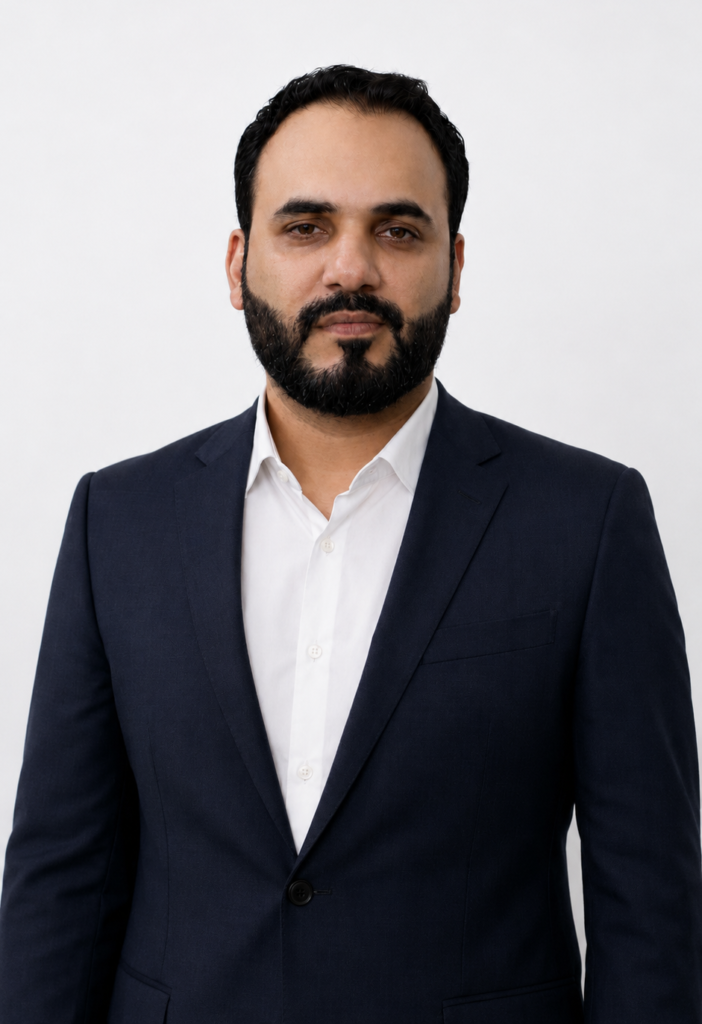
As CEO of DBTA, Aurangzaib Chawla advises globally mobile businesses
and individuals on cross-border tax planning and structuring. With expertise spanning the UK, UAE, and wider GCC, Zaib helps clients minimise double taxation, protect assets, and achieve long-term financial efficiency while staying fully compliant.
Planning to launch in Dubai or the UAE?
Let’s talk about how to structure your business for growth the smart, compliant, and tax-efficient way.
Connect with Reliable Dubai Business Consultants
Get in Touch