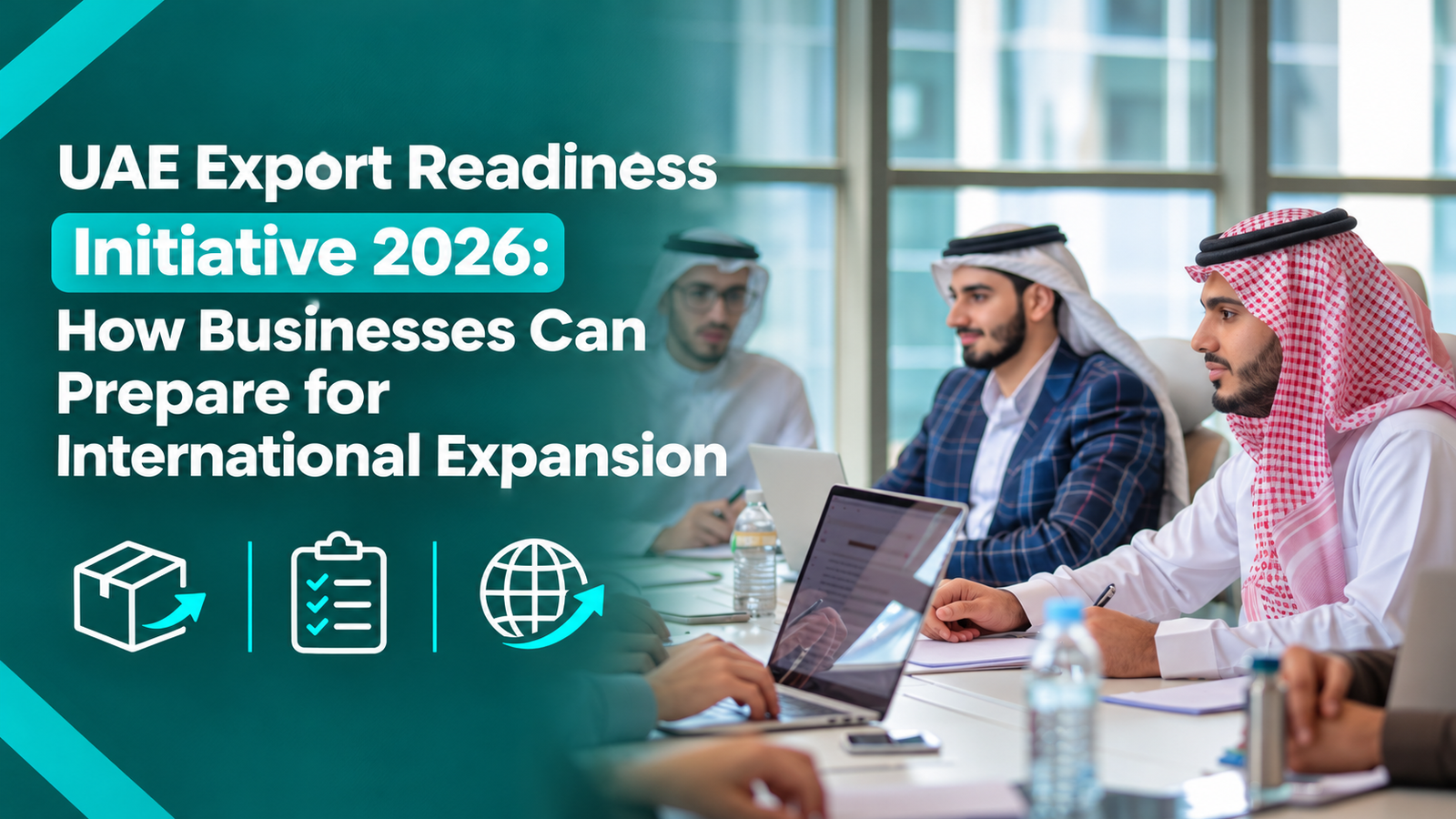
The UAE is taking another step to help local businesses enter international markets. On 12 November 2026, the Ministry of Foreign Trade signed a Memorandum of Understanding (MoU) with DHL Express to strengthen the export capabilities of UAE companies. The partnership will support the country’s Export Readiness initiative, which aims to train more than 10,000 businesses across the UAE.
The programme will focus on small and medium-sized enterprises (SMEs). It will help them understand how to find overseas customers, meet export requirements and manage international shipments. DHL’s GoTrade programme will work with the Ministry’s Ready2Trade initiative to provide practical training through online and in-person sessions.
The training will cover market selection, international sales, customs procedures, trade documents, regulatory requirements, logistics, supply-chain management, trade finance, insurance and e-commerce. The initiative also brings together 25 partners, including government bodies, chambers of commerce, free zones and other business organisations.
UAE Export Growth Creates New Opportunities for Businesses
The announcement comes as the UAE records strong growth in non-oil trade. According to figures released on 8 November, the country’s non-oil foreign trade reached AED 2.945 trillion in the first nine months of 2026.
Non-oil exports reached AED 706 billion, rising 21.6% compared with the same period in 2025. Exports also accounted for 24% of total non-oil foreign trade. These results show the growing role of UAE products in international markets.
The initiative aims to help more local businesses take part in this growth by improving their knowledge and export capabilities. However, entering a new market also requires careful financial planning. Companies need to understand their production costs, shipping expenses, expected revenue and payment terms before accepting overseas orders. Budgeting and forecasting services can help businesses assess these costs and plan their expansion with greater clarity.
RAKEZ and Dubai Chambers Add More Export Support
Other recent developments show that export support is expanding across the UAE.
On 12 November, Ras Al Khaimah Economic Zone (RAKEZ) and the Ministry of Foreign Trade held a session on the UAE’s Comprehensive Economic Partnership Agreements (CEPAs). The session helped manufacturers, traders and logistics businesses understand how these agreements can improve market access and reduce trade barriers.
Businesses also received guidance on product eligibility, Rules of Origin and the documents needed to access preferential customs duties. These details matter because not every product automatically qualifies for reduced tariffs.
Earlier, on 28 October, Dubai Chambers signed a separate agreement with DHL Express. Under this partnership, Dubai Chamber of Commerce members can access preferential shipping rates, customised commercial packages, onboarding incentives and customs clearance support. The agreement also includes DHL GoTrade training for SMEs.
Better Logistics Can Support International Expansion
Transport links are another part of the UAE’s wider trade development.
On 20 September, Etihad Rail Freight and AD Ports Group launched a service connecting Fujairah Terminals with the Industrial City of Abu Dhabi (ICAD). The service allows cargo arriving at Fujairah to move by rail to ICAD, where customs clearance, inspection and cargo release services are available.
This gives importers, exporters and manufacturers another logistics option. Better links between ports and industrial areas can help businesses manage cargo movement and supply chains more effectively.
What UAE Businesses Should Prepare Before Exporting
Companies planning to enter overseas markets should first check whether their products meet the requirements of their target countries. They should review HS codes, Rules of Origin, Certificates of Origin, customs documents and any required permits.
Businesses should also calculate production and shipping costs, assess payment risks and plan their cash flow. Accurate accounting and bookkeeping services can help companies track export income, operating expenses, overseas payments and other transactions. Clear financial records also support better decisions when entering new markets.
Exporters must keep proper sales records and supporting documents. They should review the VAT treatment of export transactions and understand their UAE Corporate Tax responsibilities. Professional VAT advisory and Corporate Tax services in Dubai can help businesses assess their tax position and meet relevant filing requirements.
Ignoring these areas can lead to customs delays, extra costs, documentation problems and tax compliance risks. Companies should therefore prepare their products, finances and records before accepting international orders. Regular financial reporting and audit support can also help businesses review their financial position as operations grow.
How Dubai Business and Tax Advisors Can Help
International expansion requires more than finding buyers and arranging shipments. Businesses also need reliable accounts, clear financial reports and a sound understanding of their tax duties.
Dubai Business and Tax Advisors supports UAE companies through accounting services in Dubai, bookkeeping, budgeting and forecasting, VAT advisory, Corporate Tax compliance, financial reporting and audit and assurance support. Its team helps businesses maintain accurate records, understand their financial responsibilities and make informed decisions as they prepare for growth.
The UAE’s Export Readiness initiative creates new opportunities for local companies. Businesses that prepare their finances, documents and compliance processes can put themselves in a stronger position to explore international markets.