
Expert Company Formation, Licensing & Structuring Consultants in Dubai, UAE
Set up correctly before you spend on leases, visas, or marketing. DBTA guides the complete pre-incorporation phase, Mainland vs Free Zone selection, activity alignment, trade name reservation, initial approvals, and trade licence issuance. We also prepare the legal setup file (shareholder documents, resolutions, MoA/AoA, where required) so your formation is clean, compliant, and not delayed by avoidable rejections or hidden setup costs.

- 10+ Years of Experience
- 700+ Clients Served
- 2500+ Consultations Completed
- Formation & Licensing Specialists
Why Business Setup Is Critical for Your Business
As a leading UAE business setup consultancy, we understand that business setup is not “paperwork.“ It is the legal decision layer that determines where you can trade, what you can invoice for, how many visas you can obtain, what office requirements apply, and which authorities you must clear. A wrong licence type throws off the whole chain. Banking gets stuck when the jurisdiction fails to match. Visas pause without correct activity classification.
Contracts falter under mismatched terms. Supplier onboarding halts if any piece is off. Things often slow down because someone mislabels the work. A proposed business name might get turned down. Paperwork from owners could be absent or mismatched. Sometimes steps needing official sign−off aren’t mentioned upfront. These issues force resubmissions, trigger extra fees, and extend timelines, often after you have already committed to deposits, PRO spend, or premises.
DBTA’s business setup consultants in DUBAI handle the pre-incorporation phase with a controlled, evidence–led process. We confirm the correct Mainland vs Free Zone route, align your activity with the right licence category, map approval requirements, and prepare a clean legal structuring file (shareholder documentation, resolutions/POA where needed, and MoA/AoA where applicable). The result is a setup that is licensable, defensible, and built to avoid rejections and hidden costs.
Included with our Company setup support:
- Mainland vs Free Zone selection
- Correct activity and licence mapping
- Document checklist and setup file pack
- Clear cost drivers and timeline dependencies

Our Business Setup Consultant Services
DBTA delivers business setup consultancy in Dubai, UAE, focused strictly on the pre-incorporation phase. Whether you need specialized business setup consultants dmcc or for other major jurisdictions, we help you select the correct Mainland vs Free Zone route, align your activity to the proper licence category, and prepare the legal structure documents required for formation.
This is the administrative and legal foundation you need before visas, banking, office commitments, or operations can begin.
Our Business Setup Services Include:
- Mainland vs Free Zone selection
- Activity and licence classification
- Trade name reservation + initial approval
- Authority approval requirements mapping
- Trade licence application coordination
- Legal structuring documents (MoA/AoA, resolutions/POA)
Why DBTA Is the Right Partner for Business Setup in the UAE
Choosing the right business setup partner directly affects your licence approval timeline, total setup cost, and legal defensibility. At Dubai Business & Tax Advisors, we focus strictly on pre-incorporation setup, Mainland vs Free Zone selection, trade licensing, and legal structuring, so your company is formed for the first time.
- Accurate, Licensable, Compliant.
- Mainland & Free Zone Setup Expertise.
- Transparent Fees, No Hidden Steps.
Still unsure about your business setup requirements?
Expertise
We don't "guess" jurisdictions; as experienced business setup consultants in Dubai Free Zone, we match your activity to the correct Mainland or Free Zone route and licence category and flag any approval dependencies before submission. You get a structure that can be licensed cleanly, with the proper formation of documents prepared for the first time.
Transparency
You receive a written setup pathway: steps, documents, sequence, and cost drivers (licence, approvals, office/flex, visas where relevant). No vague packages, just clear scope, explicit assumptions, and what specifically can extend timelines.
Partners in Your Success
You get a controlled workflow: checklist issued, documents validated, trade name + initial approval handled, then licence submission tracked to issuance. Whether you want a professional business setup consultant in Business Bay or somewhere else, we are at your service across Dubai to provide one point of contact, structured updates, and zero back-and-forth caused by missing or inconsistent paperwork.
Our Process of Business Setup in the UAE
Our business setup consultants in Dubai manage the pre-incorporation phase with a structured, transparent process built to reduce rework, prevent delays, and secure the correct Mainland or Free Zone licence pathway for your activity.

Understanding Your Setup Requirements
We start by confirming what you need to establish before incorporation legally: your proposed activity, ownership structure, preferred emirate or free zone, visa expectations, and any approvals that may apply. Our reach extends across the Emirates; whether you are looking for business setup consultants in Ras Al Khaimah or business setup consultants in Umm Al Quwain, this step prevents misclassification and sets a clean pathway for licensing before documents are submitted.

Jurisdiction Selection (Mainland vs Free Zone)
We recommend the correct route based on your activity and approval constraints, where you need to trade (UAE-wide vs within a free zone framework), and any office/lease requirements tied to licensing. The goal is a jurisdiction of choice that is licensable and does not require restructuring later.

Activity & Licence Classification
We map your exact business activities to the correct licence category and permitted wording, so you know what you can legally trade and invoice for before submission. This step reduces trade name and licence rejections caused by incorrect or inconsistent activity descriptions.

Legal Structuring & Document Preparation
We prepare the formation documentation required for incorporation, including shareholder and corporate shareholder files, resolutions/POA where needed, and MoA/AoA where applicable. Documentation is assembled as a clean “setup file” to meet authority review standards and avoid resubmission cycles.

Trade Licence Submission & Issuance
We coordinate the submission sequence, trade name reservation, initial approval, supporting documents, and licence processing, then track progress through issuance. You get clear status updates and action requests only when required to keep timelines controlled.
The Hidden Costs of Unguided Incorporation
In the UAE, business setup is a game of precision. What appears to be a minor administrative delay is often a symptom of structural misalignment that leads to expensive ‘correction cycles later. As business setup specialists, we identify and resolve these friction points before they impact your bottom line.
Strategic Misalignment:
Selecting the wrong jurisdiction (Mainland vs. Free Zone) without expert analysis often leads to costly restructures and redundant application fees.
Regulatory Friction:
Inaccurate activity mapping triggers immediate rejection cycles. We ensure your license category aligns perfectly with UAE authority requirements from day one.
Compounding Overhead:
Delays aren't just wasting time; they result in inflated PRO costs, repeated submission fees, and unnecessary document amendments.
Operational Stagnation:
A flawed license creates a "domino effect," causing heightened scrutiny during bank onboarding and stalling your team's visa processing.

Do not let your UAE market entry be defined by rejection cycles. DBTA provides the technical foresight to align your activity, jurisdiction, and legal structure before the first document is filed. Incorporate once, incorporate correctly.

Let's get your UAE business Setup Done Right
Navigating the complexities of UAE incorporation requires precision. What is a simple administrative delay is often a symptom of structural misalignment, wrong jurisdictions, mismatched activities, or incomplete filing.
As your best business setup consultant in Dubai, we proactively identify these friction points. We treat setup as a controlled, pre-incorporation process, securing a smooth and compliant launch for your venture while protecting your timeline and cost base.
- Expert guidance for Mainland & Free Zone selection
- Precision mapping to official license categories
- Fixed path planning to eliminate hidden fees
- Fast-track support for visa and residency steps
- Clean-file preparation for corporate bank onboarding
- Comprehensive legal structuring and compliance
Mistakes that could slow things down? We prevent those. Right from the start, your company gets set up correctly. Attention shifts to expanding what you’ve built. All the detailed rules across Emirates are handled quietly behind the scenes.
UAE Business Setup – FAQs
Which is better for my business: Mainland or Free Zone?
It depends on your target market. If you plan to trade directly with the local UAE market or bid for government contracts, the Mainland is the standard. If your business is focused on international trade, tech, or niche services, and you want 100% ownership with lower overhead, a Free Zone is often more efficient.
Can a Free Zone company trade directly within the UAE mainland?
Historically, no, but recent reforms now allow Free Zone companies to operate onshore via a Mainland Branch or a temporary permit. Without these specific DED approvals, a Free Zone entity must still use a local distributor or agent to sell physical goods in the Mainland.
What are the main benefits of a 100% foreign-owned Mainland company?
Mainland companies offer the “best of both worlds“: 100% ownership for most activities combined with the freedom to open offices anywhere in the UAE and hire staff based on your office size, without the geographical restrictions of a Free Zone.
Do I still need a Local Service Agent (LSA) for a professional license?
While 100% ownership is now common across most sectors, some specific professional activities still require an LSA. This is a UAE national who handles government liaisons for a fixed annual fee but holds zero equity and has no management control over your business.
Can I migrate my business from a Free Zone to the Mainland later?
There is no direct “conversion“ button. It typically involves liquidating the Free Zone entity and starting a new Mainland setup, or establishing the Mainland company as a branch of the existing Free Zone firm. This is why getting the jurisdiction right at the start is critical.
What is a "Dual License" and does my business qualify for one?
A Dual License allows a Free Zone company to operate on the Mainland without needing a separate physical office there. It is usually available to companies already established in specific hubs like DMCC or DIFC.
Which Free Zones offer the best corporate tax incentives for 2025?
“Designated Free Zones“ offer specific 0% Corporate Tax advantages on “Qualifying Income.“ We analyse your particular revenue streams to see which zone provides the maximum tax efficiency under the latest 2025 regulations.
What are the physical office requirements for a Mainland license?
Mainland licenses require a registered physical space (minimum 140 sq. ft.) with a valid Ejari (attested lease). Virtual offices are not permitted for Mainland licenses, unlike many Free Zone options.
How does the jurisdiction choice affect my ability to get government contracts?
Mainland companies have direct access to “e-Procurement“ portals for government tenders. Free Zone companies generally cannot bid directly for government work unless they have a Mainland branch or a local partner.
Can I own multiple companies under different jurisdictions in the UAE?
Absolutely, many investors maintain a Free Zone entity for tax-efficient global operations and a separate Mainland LLC for local retail or service delivery within the Emirates.
How do I choose the correct activity code for my business?
The UAE uses a unified classification system based on global standards. We map your business model against the DED/Free Zone Activity List to find the specific “DNA“ that matches your revenue stream and avoids future audit issues.
Can I combine multiple activities on one license?
Most times, it is possible to group around ten connected tasks. Still, mixing ones that do not go together – say, running a tech advice service while selling groceries – might lead to steeper costs or even call for distinct permits, based on local rules.
What is the difference between a Commercial, Professional, and Industrial license?
Commercial is for trading physical goods; Professional is for individuals or firms providing expertise (Consultancy, Design, etc.); and Industrial is for manufacturing or processing raw materials. Each has different ownership and office requirements.
Do I need external department approval for my setup?
It depends on what you do. If you’re in a specialised field like Healthcare (DHA), Education (KHDA), or Real Estate (RERA), you’ll need a “thumbs-up“ from that specific ministry before your license is issued. We call these “third-party approvals,“ and we map them out for you early so they don’t turn into surprise delays later on.
How long does the initial approval process usually take?
Initial approval (name and activity) typically takes 24 to 48 hours. The full license issuance varies: 3–5 days for Free Zones and 7–10 days for Mainland, depending on office inspections and third-party approvals.
What happens if my business activity is misclassified during setup?
Misclassification is a significant cause of bank account rejection. It can also lead to heavy fines if you are found performing activities not explicitly listed on your license during a government audit.
Can I add or remove business activities after the license is issued?
Yes, but this requires a “License Amendment.“ It involves government fees and potentially a legal amendment to your Memorandum of Association (MOA). It is always more cost-effective to finalise your list during the pre-incorporation phase.
Is an e-commerce license required if I only sell services online?
If you sell services (like digital marketing), a Professional license is sufficient. An e-commerce permit is specifically required if you are selling physical products through a website or social media marketplace.
What are the specific requirements for a General Trading license?
General Trading allows you to trade all types of goods. Because of its broad nature, it carries higher license fees and requires a higher level of scrutiny during the bank’s onboarding and KYC process.
How does activity mapping impact my corporate bank account opening?
Banks categorise activities by “risk level.“ If your activity is mapped into a high-risk category (like Crypto or Precious Metals) without the proper supporting documents, your account application will likely be rejected immediately.
Why is it difficult for new UAE companies to open a corporate bank account?
UAE banks operate under strict international “Know Your Customer“ (KYC) and Anti-Money Laundering (AML) standards. For a new business, the lack of local credit history or a physical office footprint can trigger high-risk flags. Success depends on presenting a “bank-ready“ corporate file that clearly proves your source of funds and business viability.
What documents do banks require for a "high-risk business activity?
If your business involves high-volume trading, crypto-assets, or precious metals, banks require enhanced due diligence. This includes a detailed business plan, 6–12 months of parent company or personal bank statements, and often a “CV“ of the shareholders to prove industry expertise.
Does DBTA assist with the bank account application and interview process?
Yes. Opening an account is no longer just about paperwork; it involves a formal interview. We coordinate with our partner banks to pre-vet your application, ensuring you meet the specific minimum balance and documentation criteria before the official submission to avoid a “rejection stamp.“
Do I need to show a minimum share of capital to open a bank account?
While many jurisdictions allow for “zero paid-up capital“ on the license, banks usually require an initial deposit to activate the account. This ranges from AED 10,000 for digital-first banks to AED 150,000+ for premium traditional banking tiers.
How does my residency status affect the company's banking options?
Banks heavily prefer at least one resident signatory (someone with a UAE Emirates ID). While non-resident accounts are possible, they face significantly higher scrutiny, higher minimum balance requirements, and longer onboarding timelines.
When do I need to register for Corporate Tax in the UAE?
All UAE businesses must register for Corporate Tax. New companies should ideally register as soon as the license is issued. Failure to register within the Federal Tax Authority (FTA) deadlines can result in an automatic AED 10,000 penalty.
Is VAT registration mandatory for all new business setups?
Registration is mandatory only if your taxable supplies and imports exceed AED 375,000 per year. However, you can register voluntarily if your expenses or turnover exceed AED 187,500, which is often recommended to recover VAT on startup costs like fit-outs and equipment.
What are "Economic Substance Regulations" (ESR), and do they apply to me?
ESR applies if you perform “Relevant Activities“ (such as Banking, Insurance, Shipping, or Intellectual Property business). Even if you don’t earn income from these, you must file an annual ESR Notification to remain compliant and avoid heavy administrative fines.
How long does the typical bank onboarding process take for a new startup?
On average, traditional banks take 4 to 8 weeks to activate a corporate account fully. Digital business banks can often provide an IBAN within 1 to 2 weeks, provided all documentation is clean and verified.
Can I open a multi-currency account for international trade immediately?
Yes, most UAE corporate accounts are multi-currency by default (AED, USD, EUR, GBP). This allows you to receive international payments and mitigate exchange rate risks from day one.
How many investor/employment visas am I entitled to on my license?
Your “visa quota“ depends on your jurisdiction and office size. A standard Free Zone “Flexi-desk“ usually allows for 1 to 3 visas, while a Mainland office quota is generally calculated as one visa per 80–100 square feet of office space.
What is the process for sponsoring my family under my business visa?
Once your Investor or Employment visa is stamped and your Emirates ID is issued, you can act as a sponsor for your spouse, children, and parents. You will need to provide a MOFA-attested marriage/birth certificate and proof of adequate housing (Ejari).
How often does a UAE business license need to be renewed?
Most business licenses in the UAE are valid for one year and must be renewed annually. Some Free Zones now offer multi-year licenses (2, 3, or 5 years), which can provide significant savings on administrative fees.
What are the consequences of missing a license renewal deadline?
Missing the deadline leads to monthly fines (ranging from AED 200 to AED 2,000+, depending on the authority). More importantly, your company bank account may be frozen, and your employee visas could be blocked until the renewal is cleared.
Can I apply for a Golden Visa through my business investment?
Yes. Entrepreneurs with a project valued at AED 500,000 or more, or investors with a capital of AED 2 million, may qualify for a 10-year Golden Visa. This provides long-term stability and the ability to stay outside the UAE for more than 6 months without losing residency.
What is a "Virtual Office" and is it valid for visa processing?
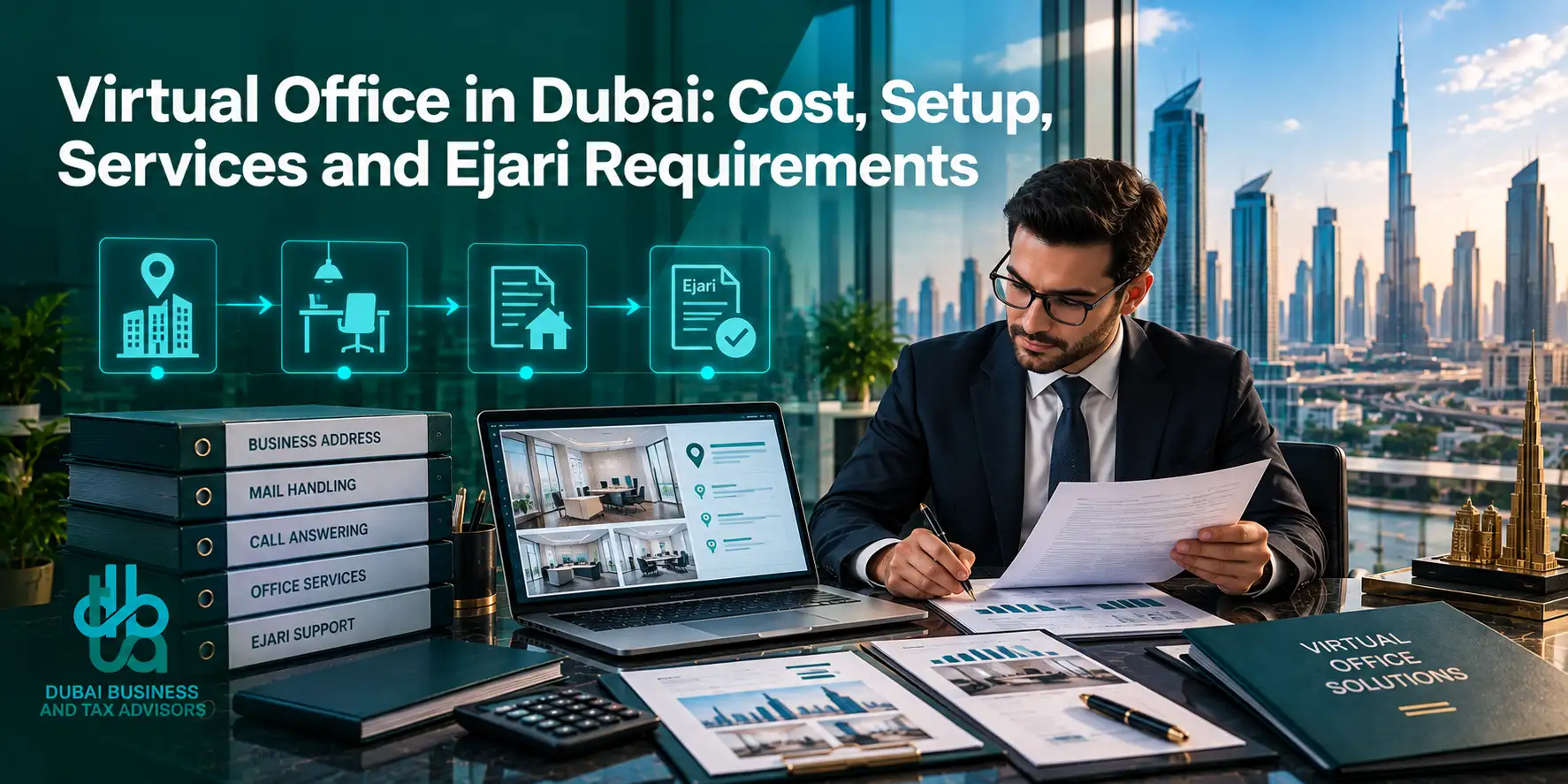
A “Virtual Office“ or “Flexi-desk“ is a cost–effective way to get a license, but it has limitations. While most Free Zones allow 1–2 visas on a flexi-desk, a Mainland license usually requires a physical lease (Ejari) to unlock any visa quota.
Do I need to register my employees with the Ministry of Human Resources (MOHRE)?
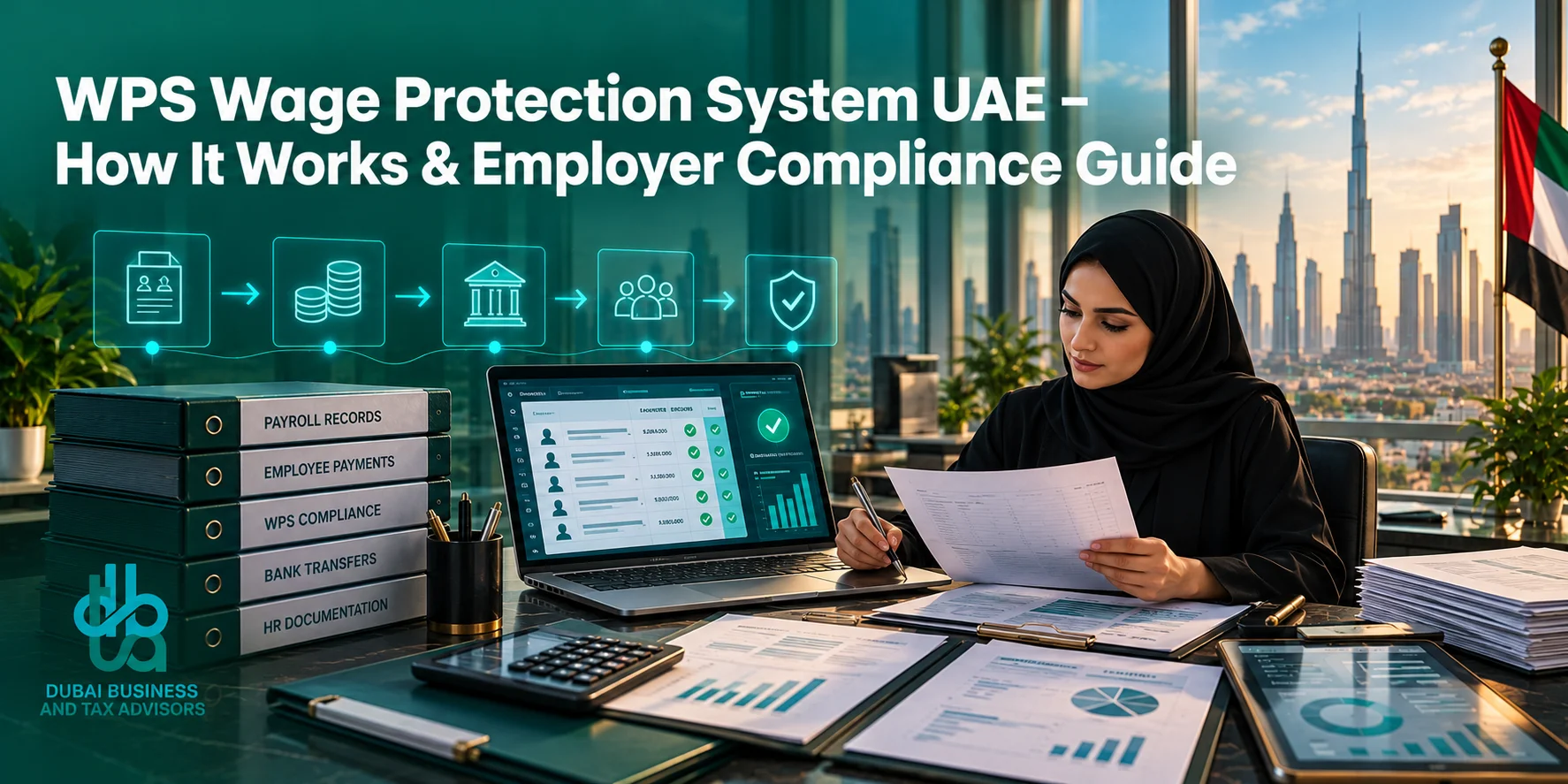
If you have a Mainland license, all employees must be registered with MOHRE, and their salaries must be paid via the Wages Protection System (WPS). Most Free Zones have their own internal labour departments that perform a similar function.
What does a PRO service include, and why is it necessary?
A Public Relations Officer (PRO) handles all “government-to-business“ tasks: visa processing, labour contracts, license renewals, and document attestations. Using a professional PRO service ensures you don’t miss compliance deadlines that result in “blacklisting“ or fines.
How do I upgrade my license as my company scales?
Upgrading typically involves a “License Amendment“ to increase your visa quota or add new activities. If you are in a Free Zone, this may also require moving from a shared desk to a private office to satisfy the authority’s space-per-visa requirements.
Can DBTA handle annual compliance and license renewals?
Yes. We offer “Corporate Secretarial“ services that proactively manage your annual renewals, UBO (Ultimate Beneficial Owner) filings, and AML compliance, so you can focus on running your business while we handle the regulatory upkeep.





Our clients, ranging from startups to multinational corporations in Dubai, benefit from our comprehensive and strategic approach to business advisory. Our team of highly qualified business and tax advisors takes pride in ensuring regulatory compliance, operational efficiency, and sustainable long-term success for businesses across various industries
Certified Chartered Accountants
Be stress-free with top-tier accounting and financial expertise in Dubai.
Ensure Data Confidentiality
Using advanced accounting technology and controls for data security.
Achieve Measurable Results
Making sure your financial strategy aligns with your goals and objectives.
Speak to an Expert! Call Now for a Free Consultation. +971568191060 or
Latest news & articles

Connect with Reliable Dubai Business Consultants
Get in Touch